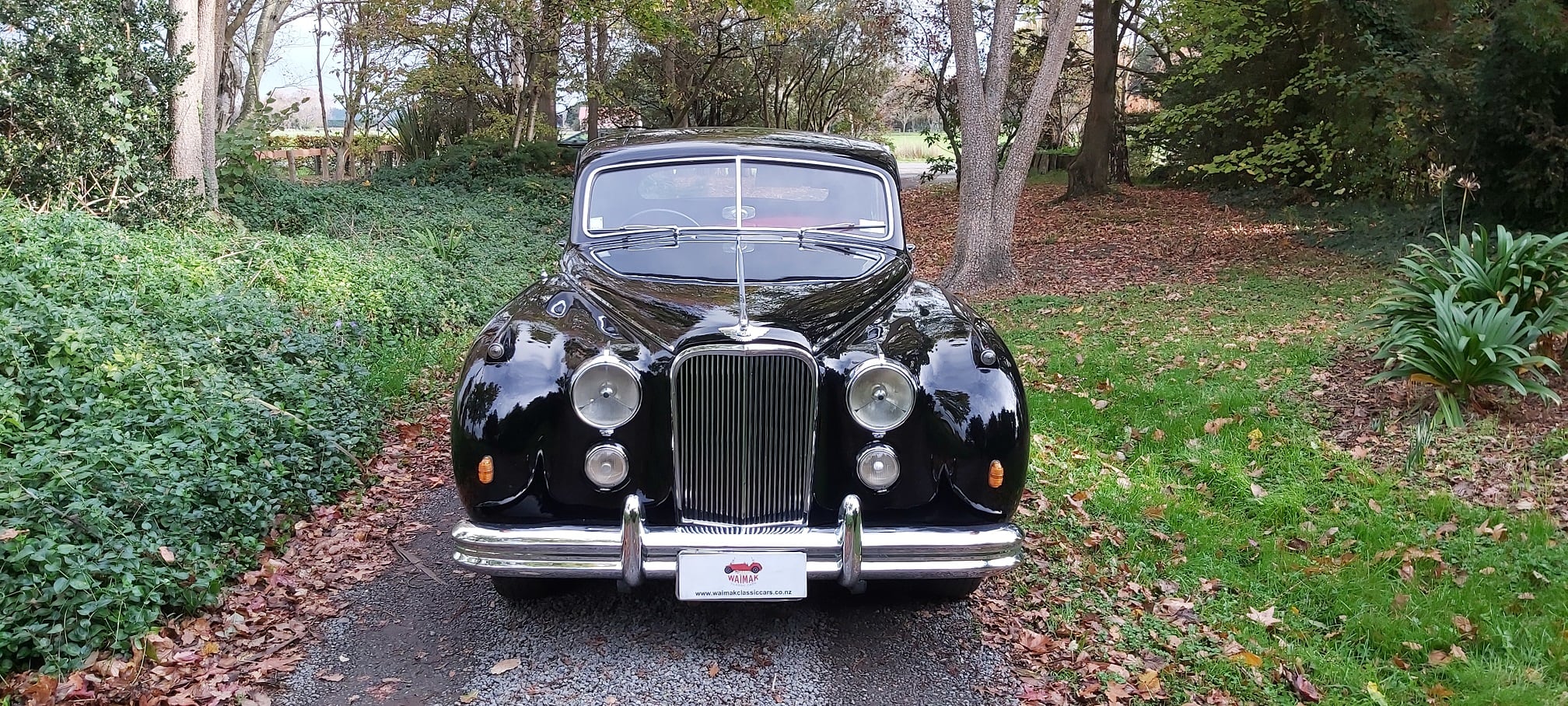
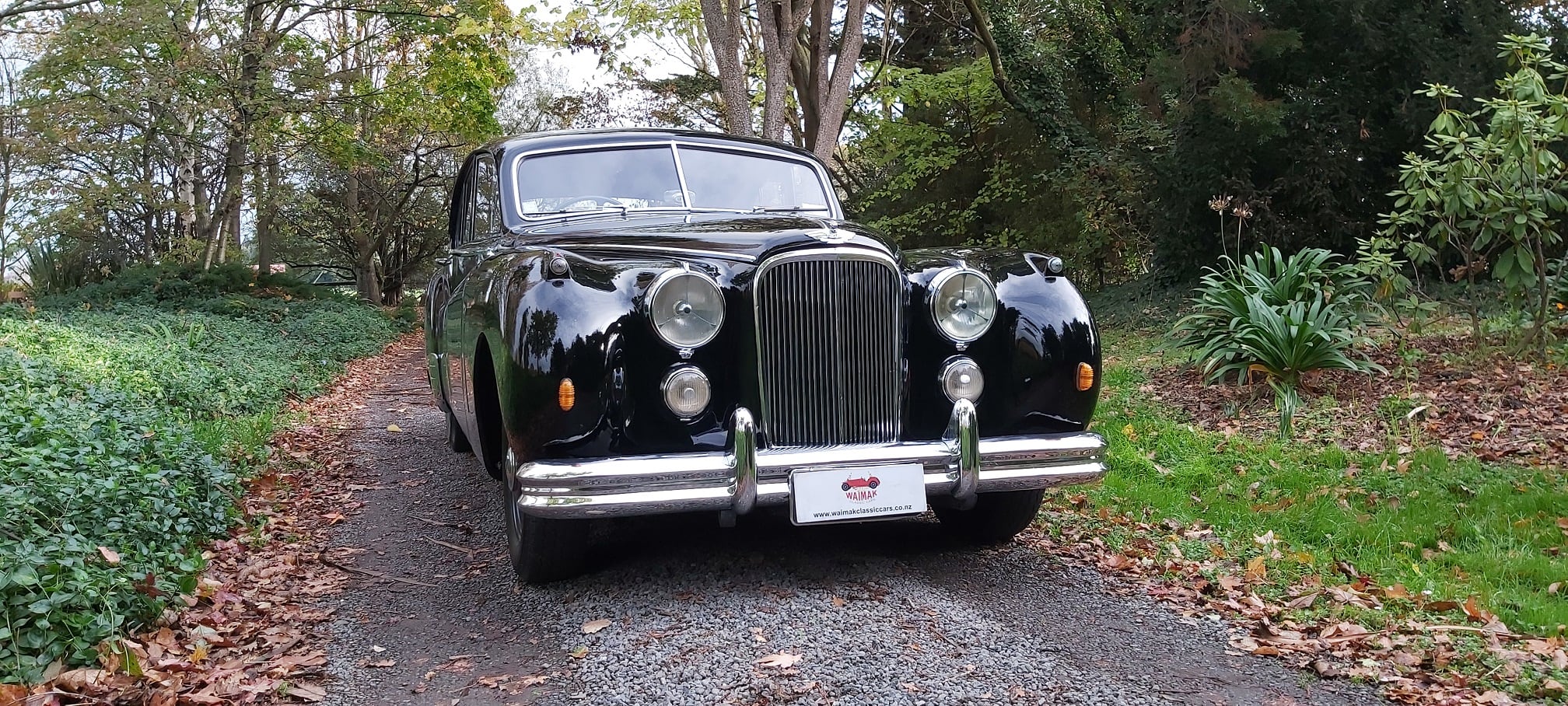
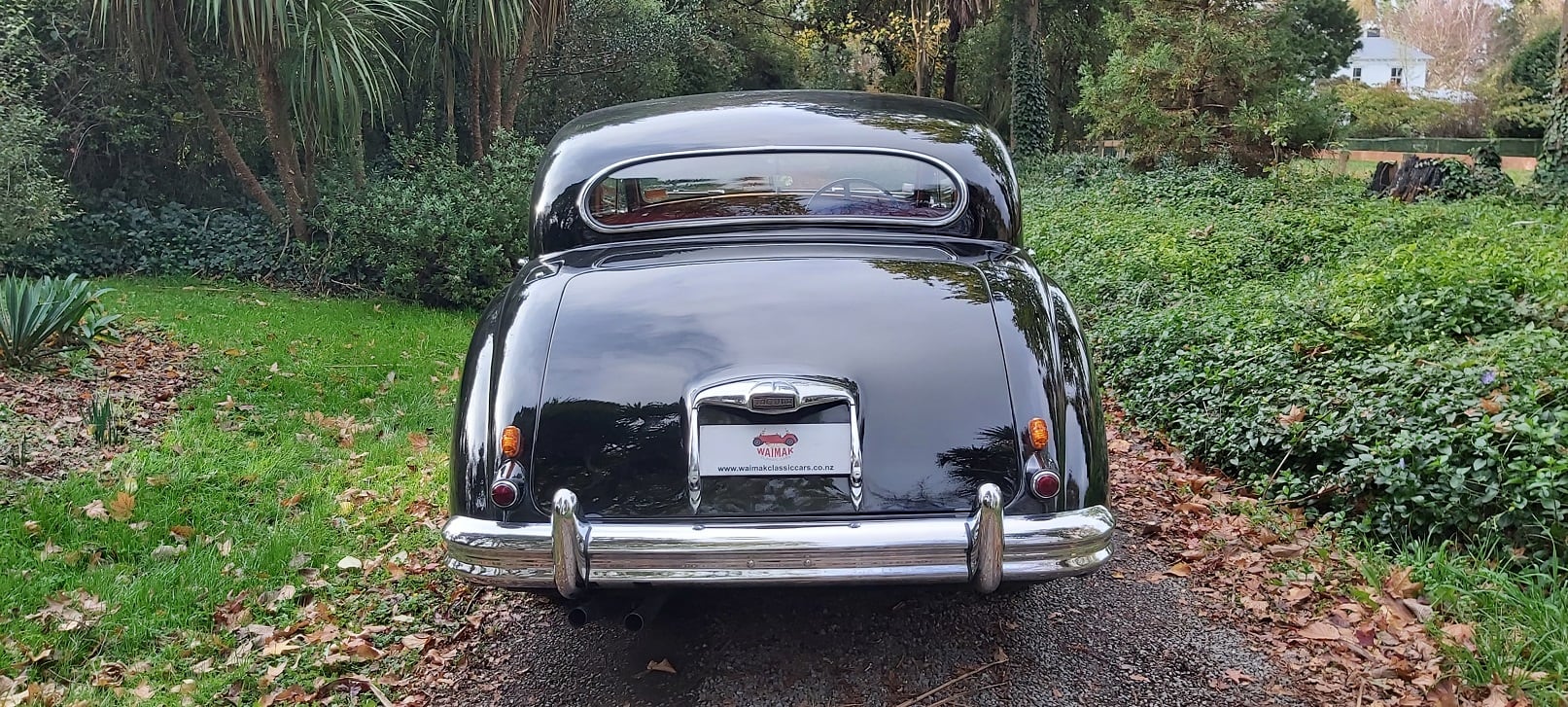
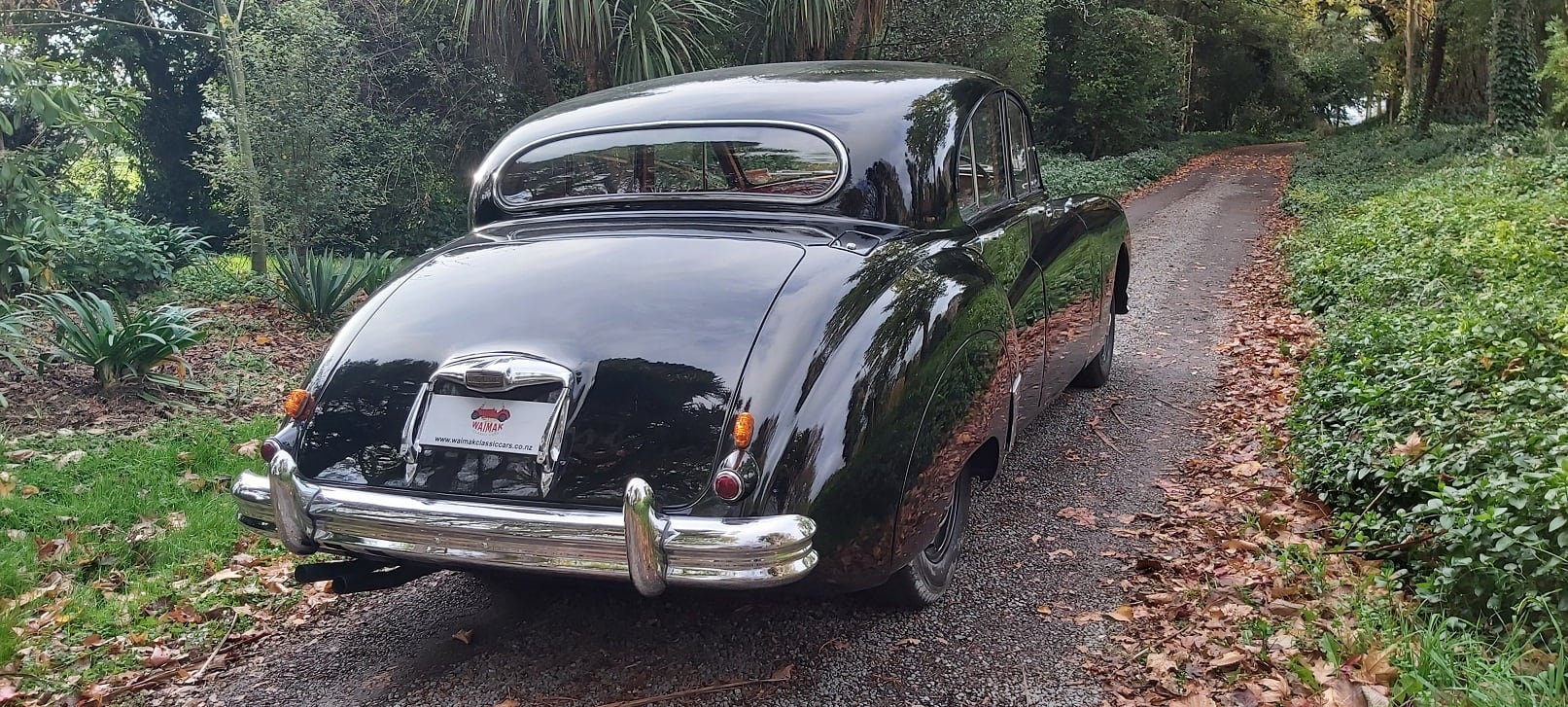
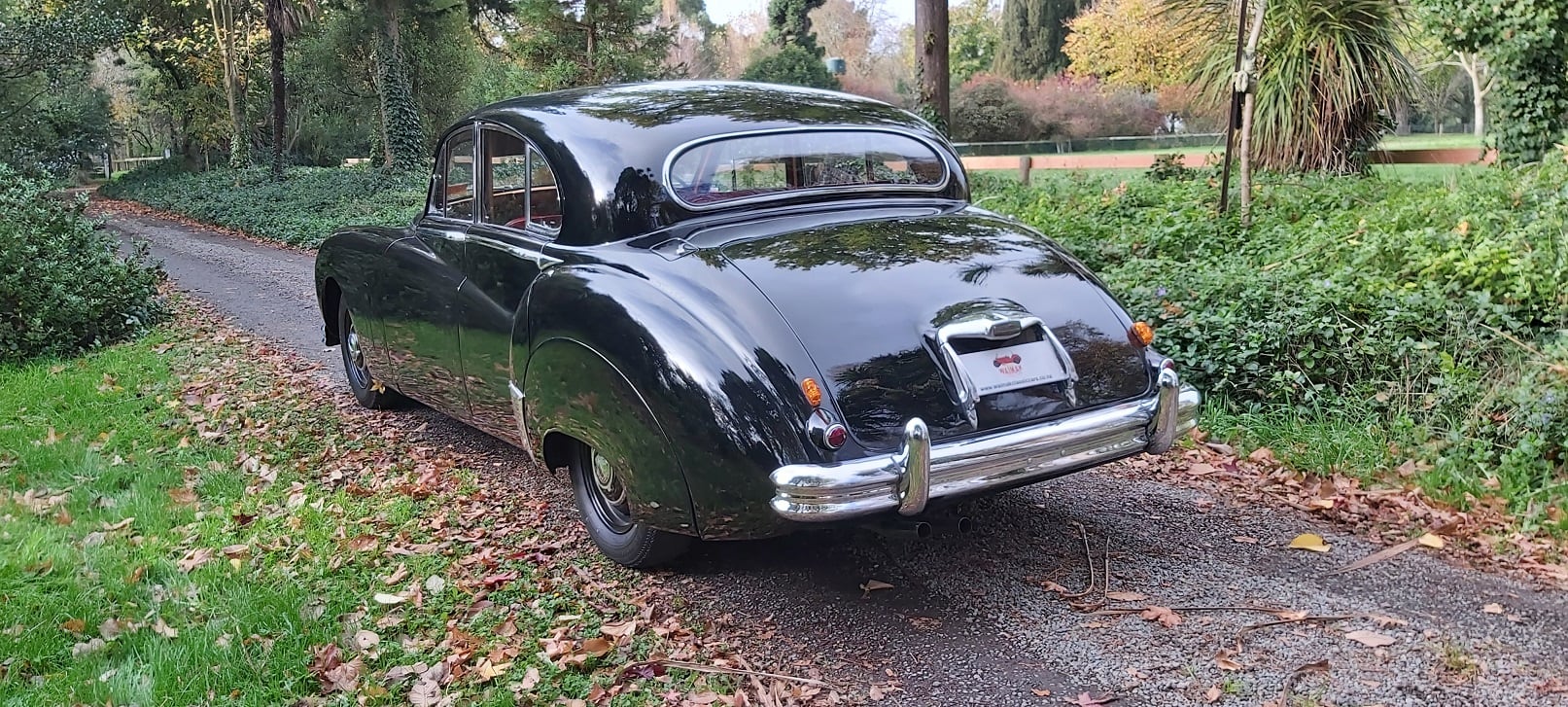
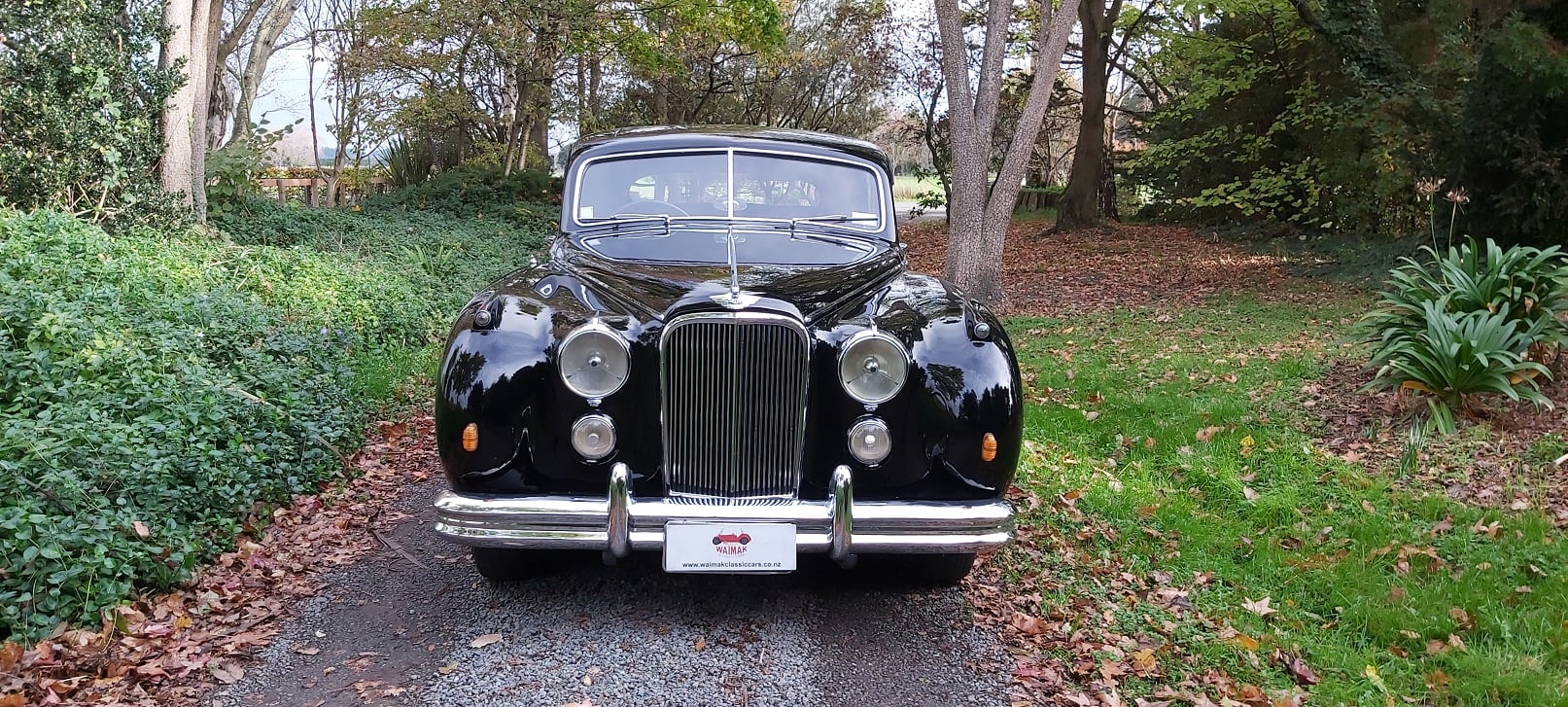
1952 Jaguar MK VII
The Car That turned The Head Of The World!
Price $35,000.00
Viewing By Appointment Only
Description
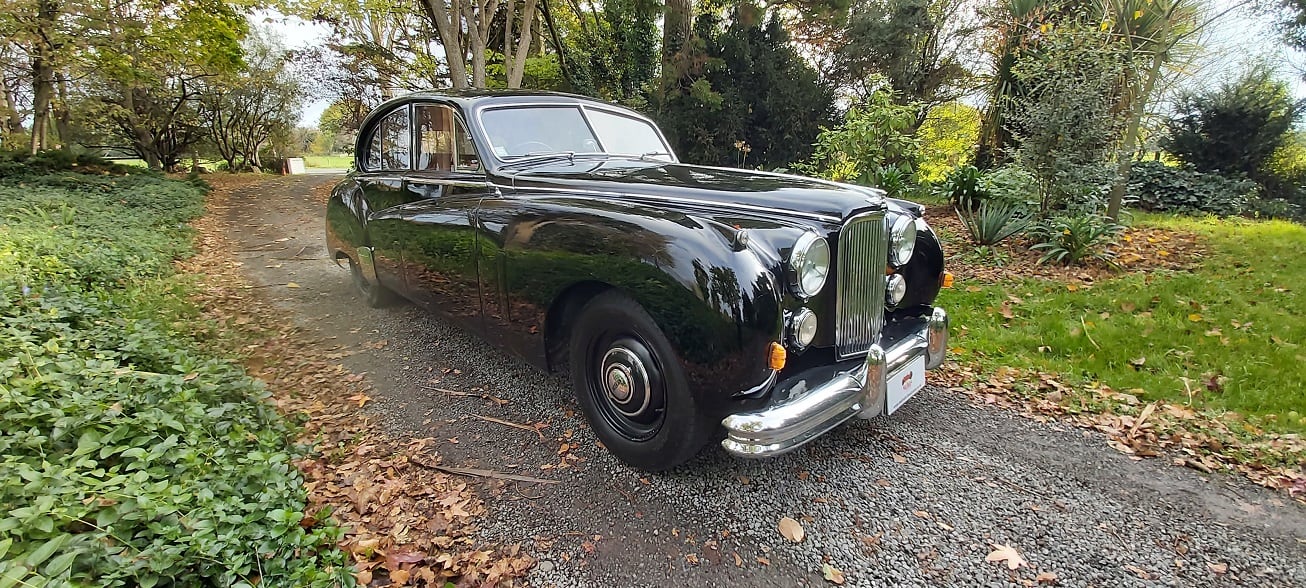
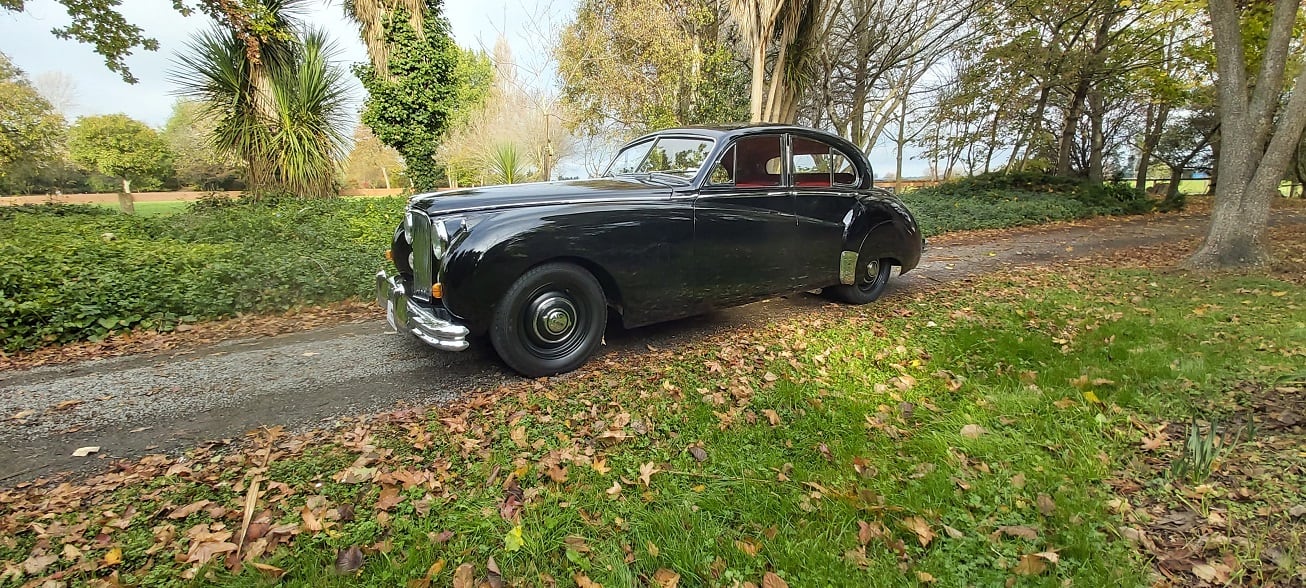
The 1952 Jaguar Mark VII represents a remarkable chapter in the history of British luxury motoring, combining elegance, engineering sophistication and impressive performance in a grand saloon that was well ahead of its time. Introduced at the 1950 London Motor Show as the successor to the Mark V, the Mark VII marked a significant departure from Jaguar’s earlier saloon designs. With its flowing bodywork, sweeping wings, distinctive radiator grille and beautifully appointed interior, it embodied the grace and prestige for which the Coventry manufacturer was becoming internationally renowned. At a time when Britain was rebuilding its reputation as a world leader in automotive engineering, the Mark VII demonstrated Jaguar’s ability to produce a luxury motor car capable of competing with considerably more expensive European marques.
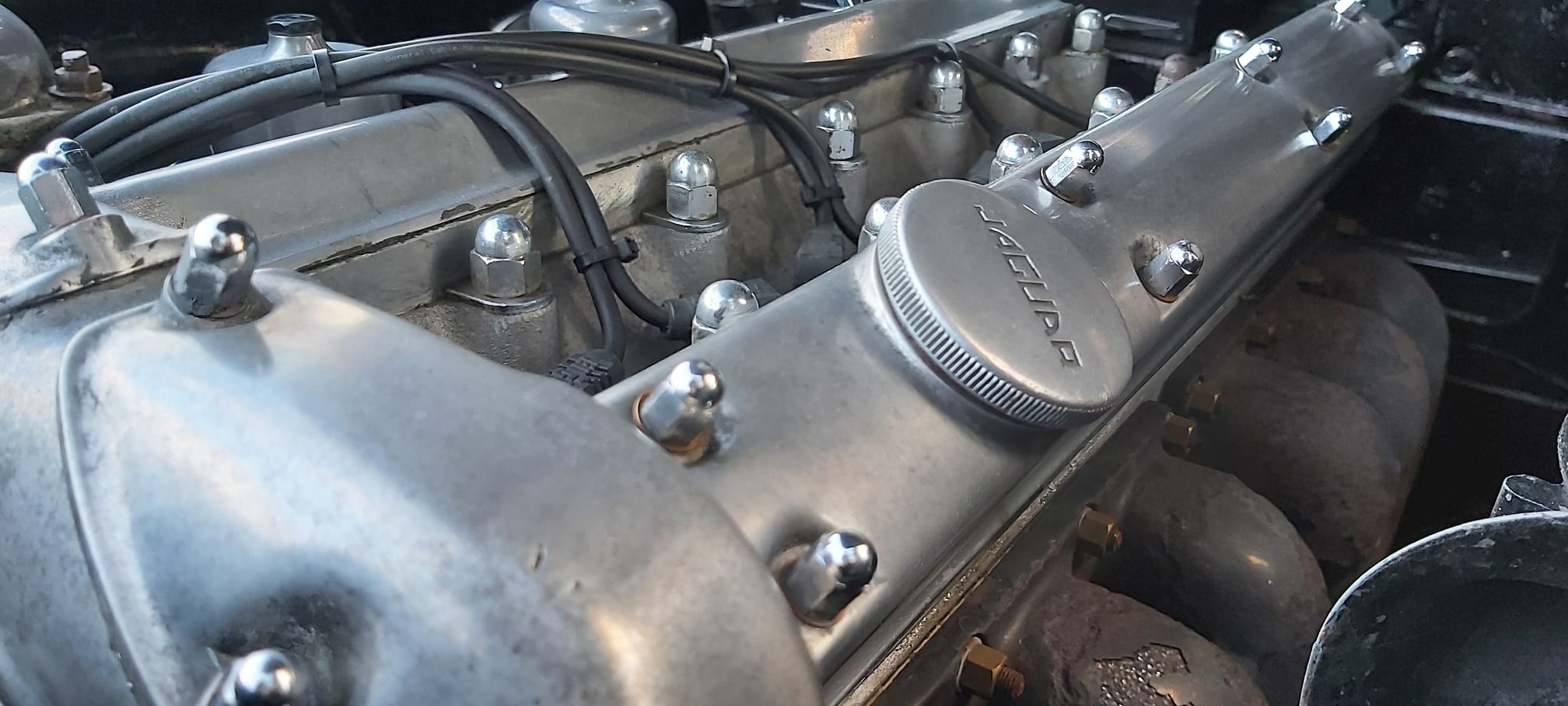
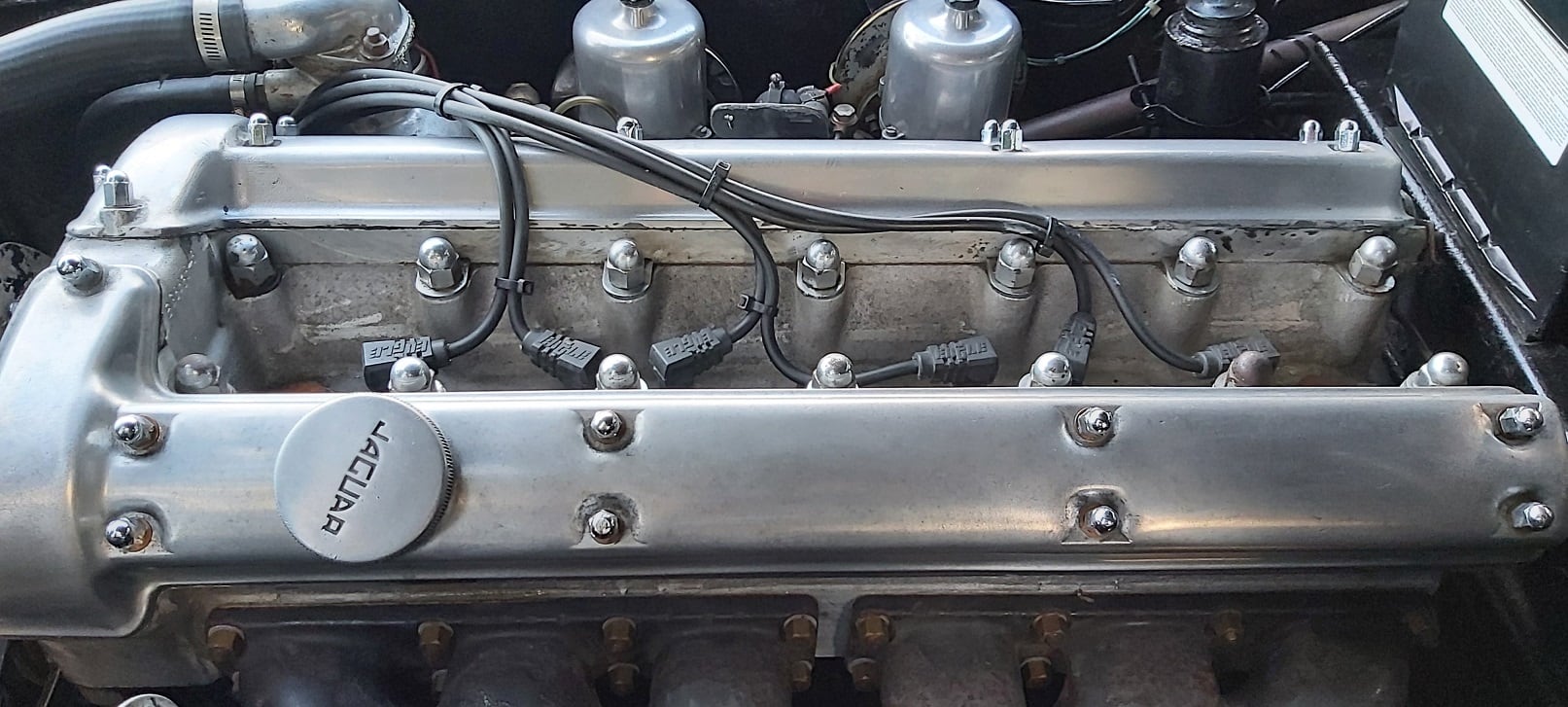
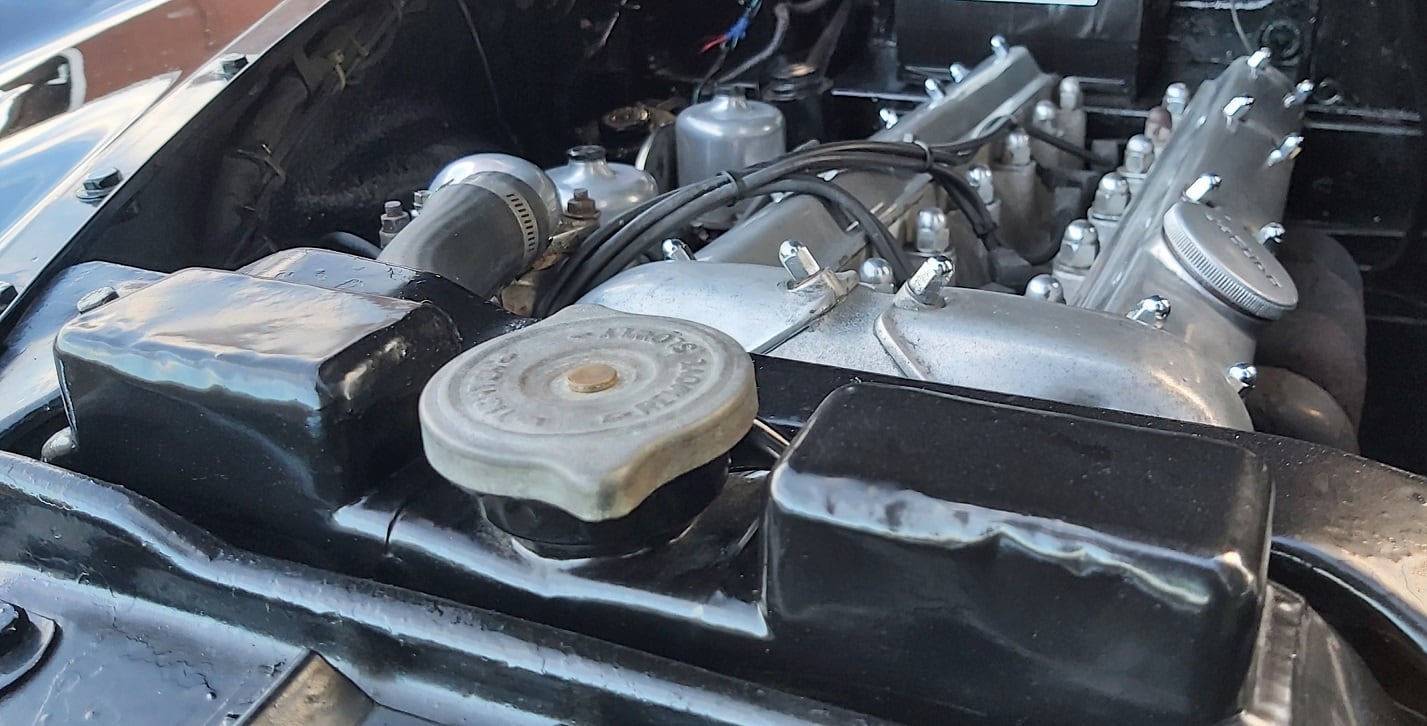
Beneath its imposing bonnet lay Jaguar’s celebrated 3.4-litre, twin-overhead-camshaft XK six-cylinder engine, an engineering masterpiece that had already established its credentials in the legendary XK120 sports car. Producing approximately 160 bhp and coupled to a four-speed manual gearbox, the Mark VII delivered exceptional performance for a luxury saloon of its size and era, with a top speed approaching 100 mph (160 km/h). Its combination of power, refinement and long-distance touring ability made it particularly appealing to discerning motorists seeking both comfort and spirited performance. Indeed, the Mark VII would go on to establish an enviable competition record, proving that Jaguar’s substantial luxury saloon possessed sporting credentials to match its distinguished appearance.
Today, the 1952 Jaguar Mark VII is appreciated as one of the marque’s most significant post-war saloons, representing an era when Jaguar was rapidly establishing itself as a formidable force in the international luxury car market. Its generous proportions, abundant chrome detailing, traditional leather upholstery and polished timber interior appointments evoke a period when craftsmanship and individuality were central to the motoring experience. Increasingly recognised by collectors and enthusiasts for its historical importance, elegant styling and mechanical pedigree, the Mark VII offers a distinctive alternative to the more familiar Jaguar sports models. More than simply a luxurious motor car of its time, it stands as an enduring reminder of Sir William Lyons’ remarkable vision of delivering grace, space and pace at a price that challenged the established luxury manufacturers.
Specifications
About this Vehicle
The Jaguar Mark VII is one of those magnificent British motor cars that deserves considerably more recognition than it receives.
Introduced in 1950, it represented a major advancement for Jaguar, combining imposing styling, traditional craftsmanship and outstanding performance in a luxury saloon that was genuinely ahead of its time. Importantly, the Mark VII was the first Jaguar saloon to feature the legendary twin-overhead-camshaft XK engine, previously introduced in the XK120 sports car. This transformed Jaguar’s large saloon into a motor car capable of approaching 100 mph, an extraordinary achievement for a vehicle of its size and period.
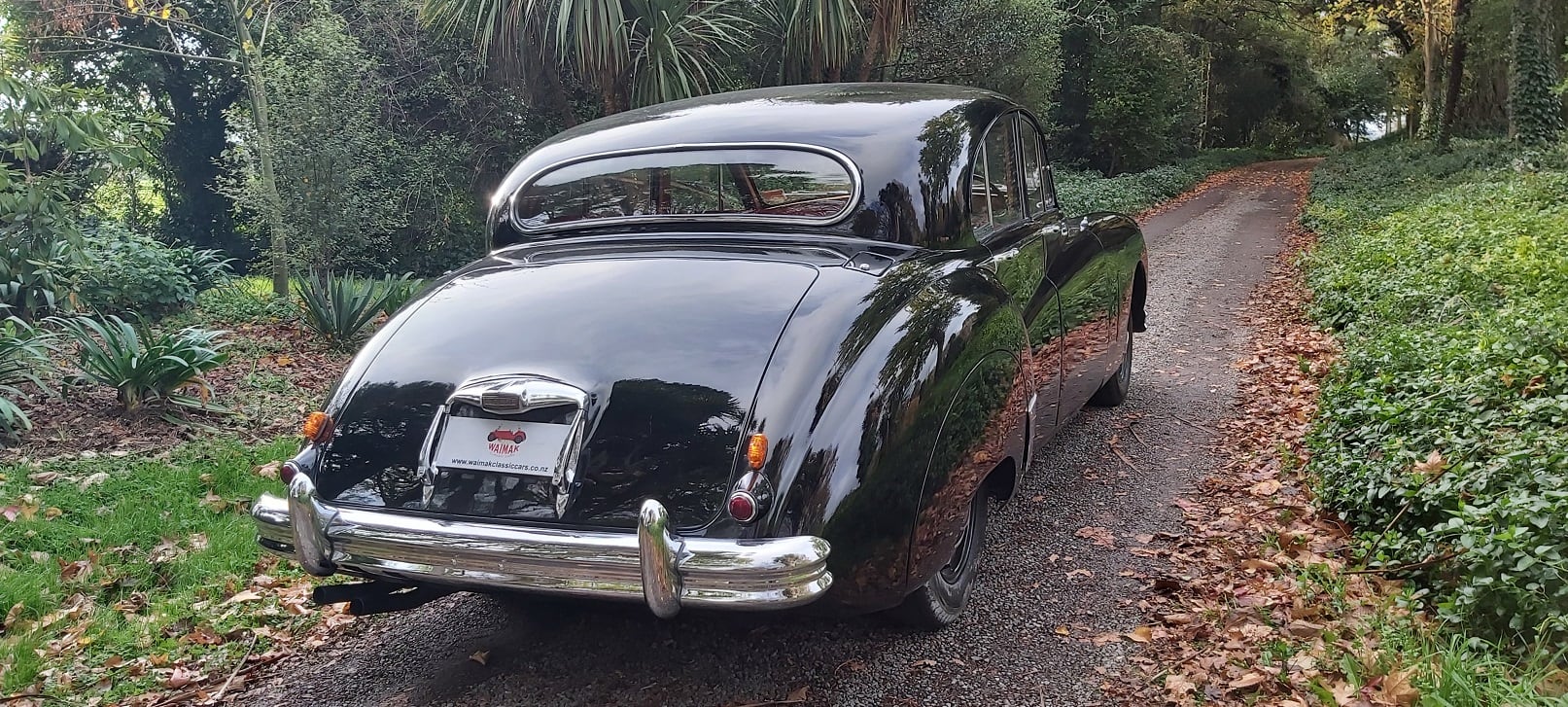
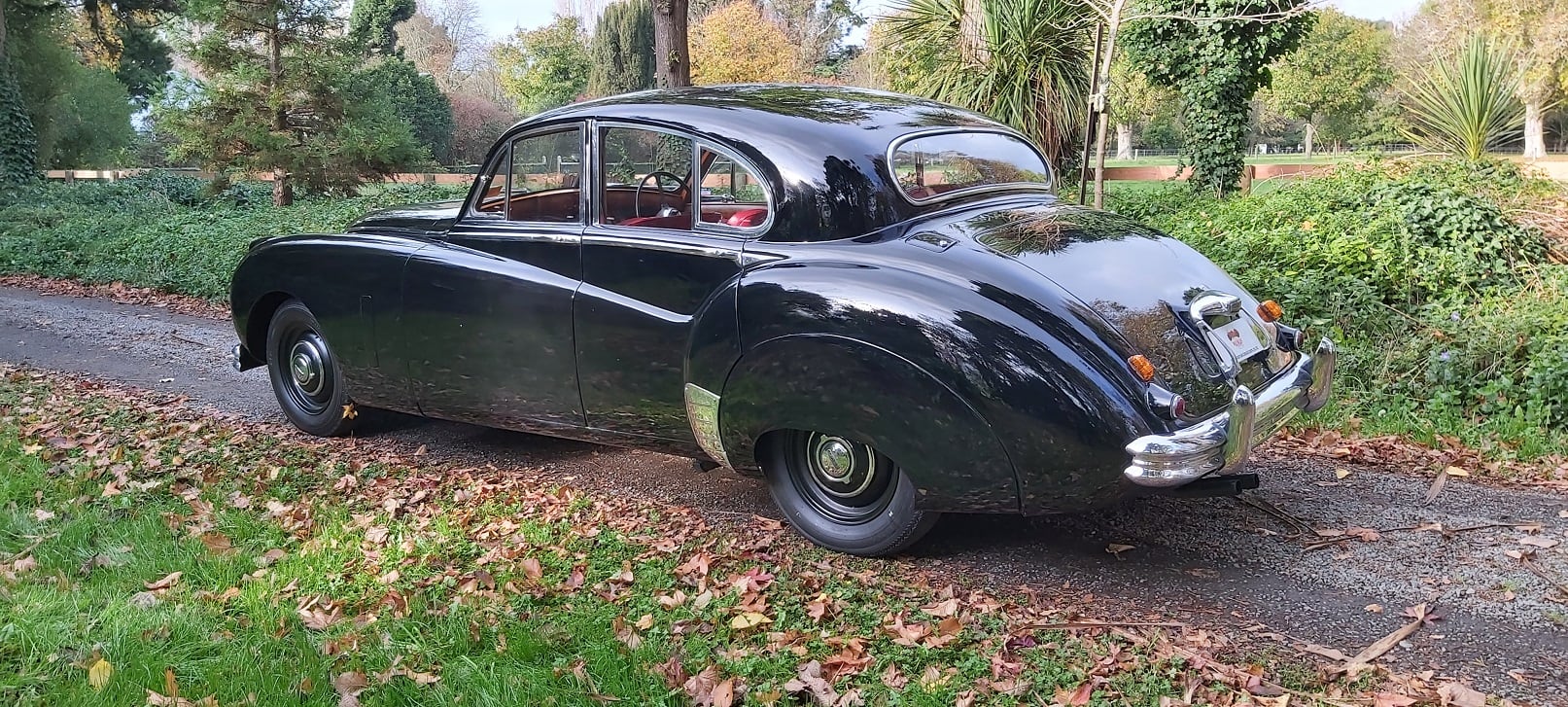
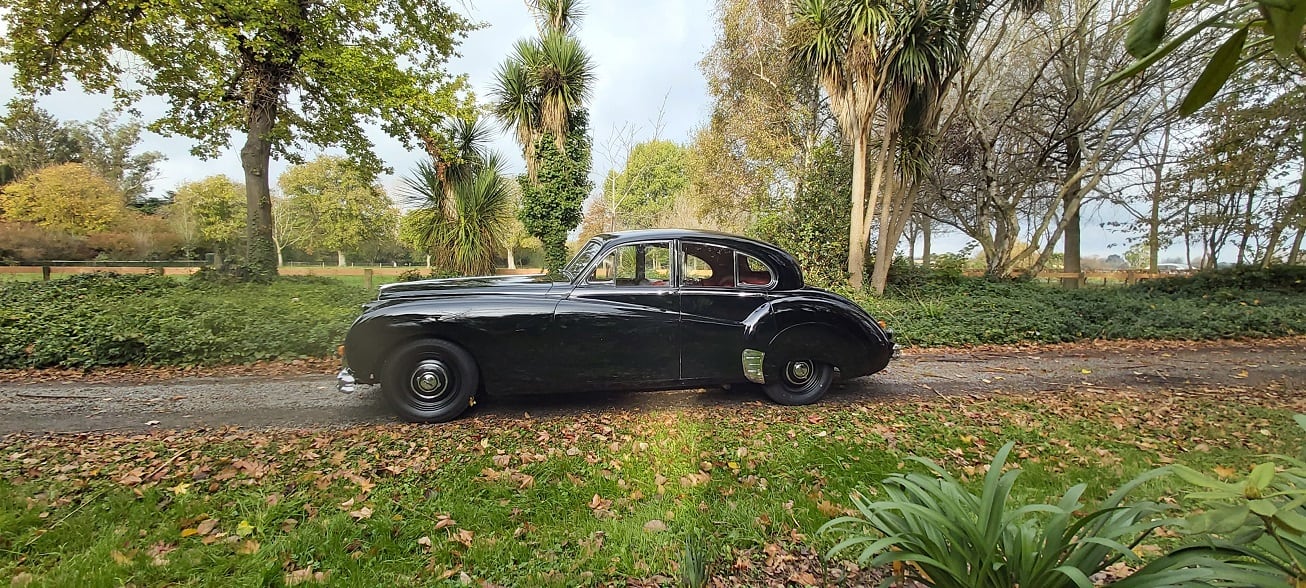
While Jaguar’s XK120, XK140 and XK150 sports cars have long attracted the attention of collectors, the Mark VII offers something equally appealing, and arguably rather more distinctive. Its sweeping wings, graceful roofline, pronounced rear haunches and substantial proportions give it a wonderful road presence that few other motor cars can match. There is something particularly satisfying about these early Jaguar saloons. They possess an unmistakable character, a sense of occasion and an elegance that has largely disappeared from modern motoring.
What makes the Mark VII particularly interesting is that its sporting credentials extend well beyond its impressive specifications. During the 1950s, while Jaguar was establishing its international reputation through the remarkable achievements of its C-type and D-type sports racing cars at Le Mans, the Mark VII was proving itself a formidable competitor in its own right. Perhaps its most celebrated achievement was winning the 1956 Monte Carlo Rally, demonstrating that Jaguar’s substantial luxury saloon possessed genuine performance and handling capabilities. These were not simply comfortable touring cars; they were remarkably capable machines that could surprise considerably smaller and supposedly sportier competitors.
About This Particular Example
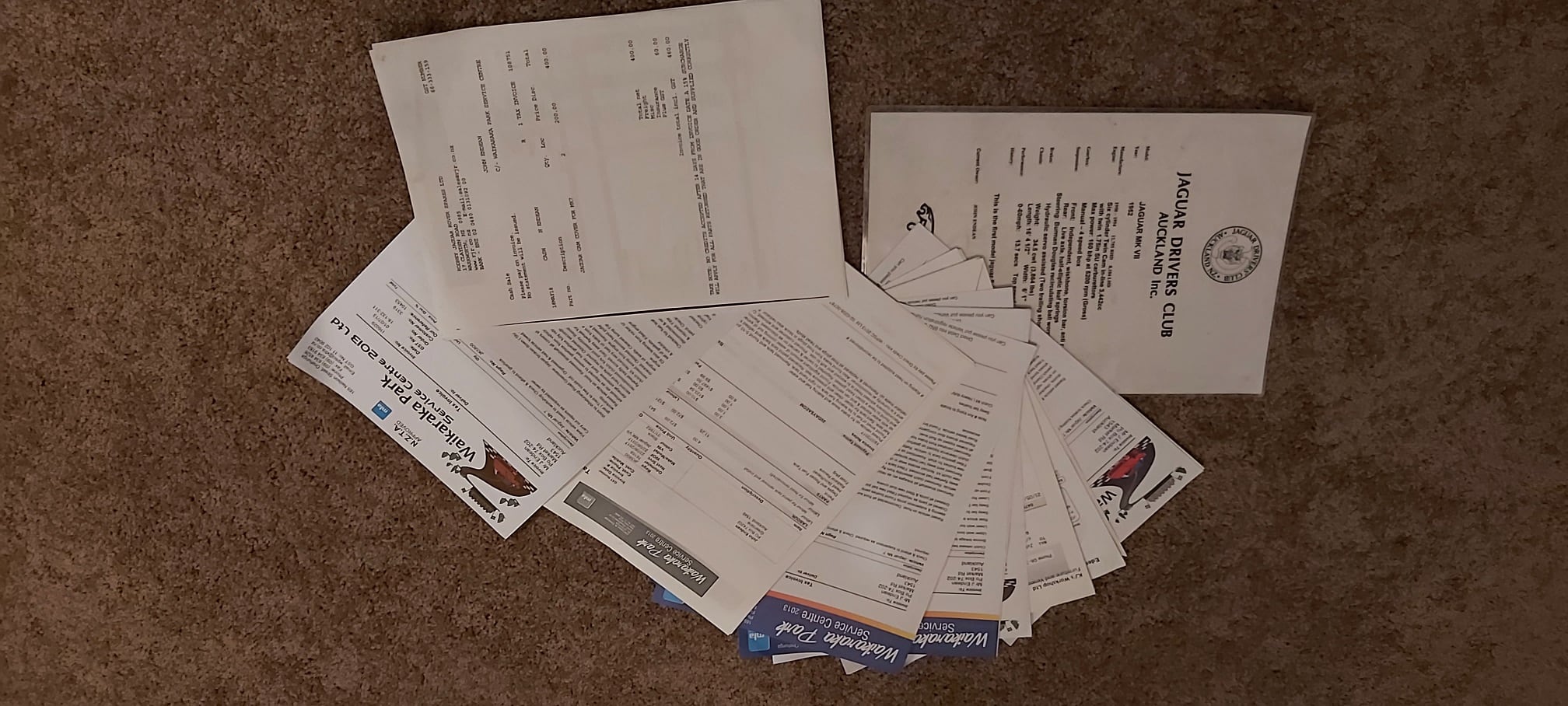
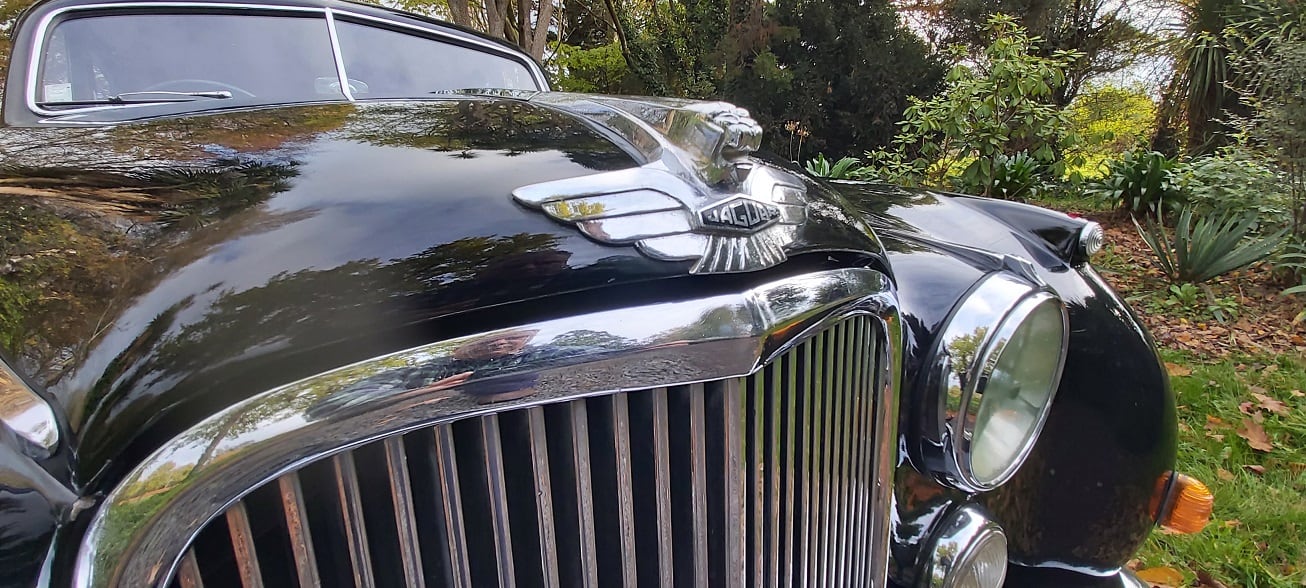
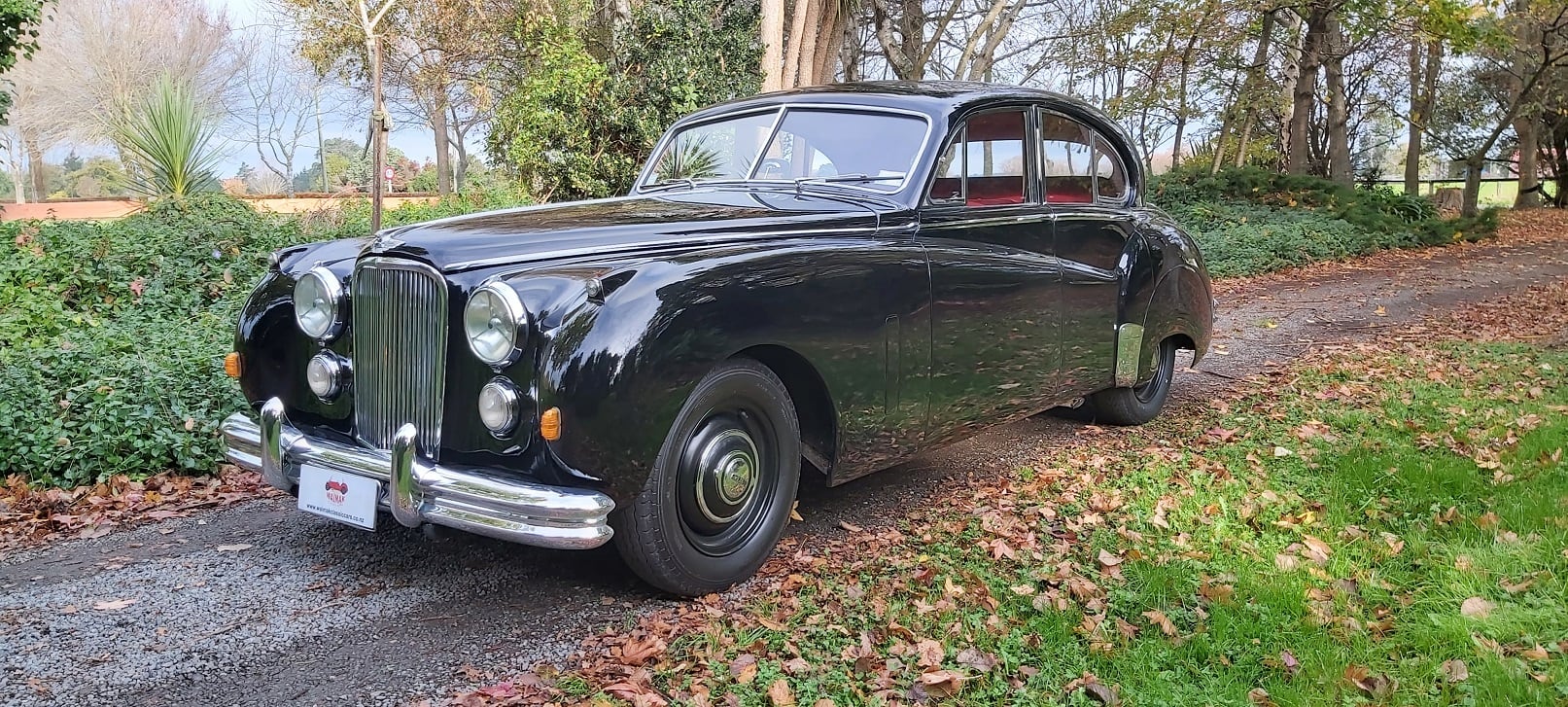
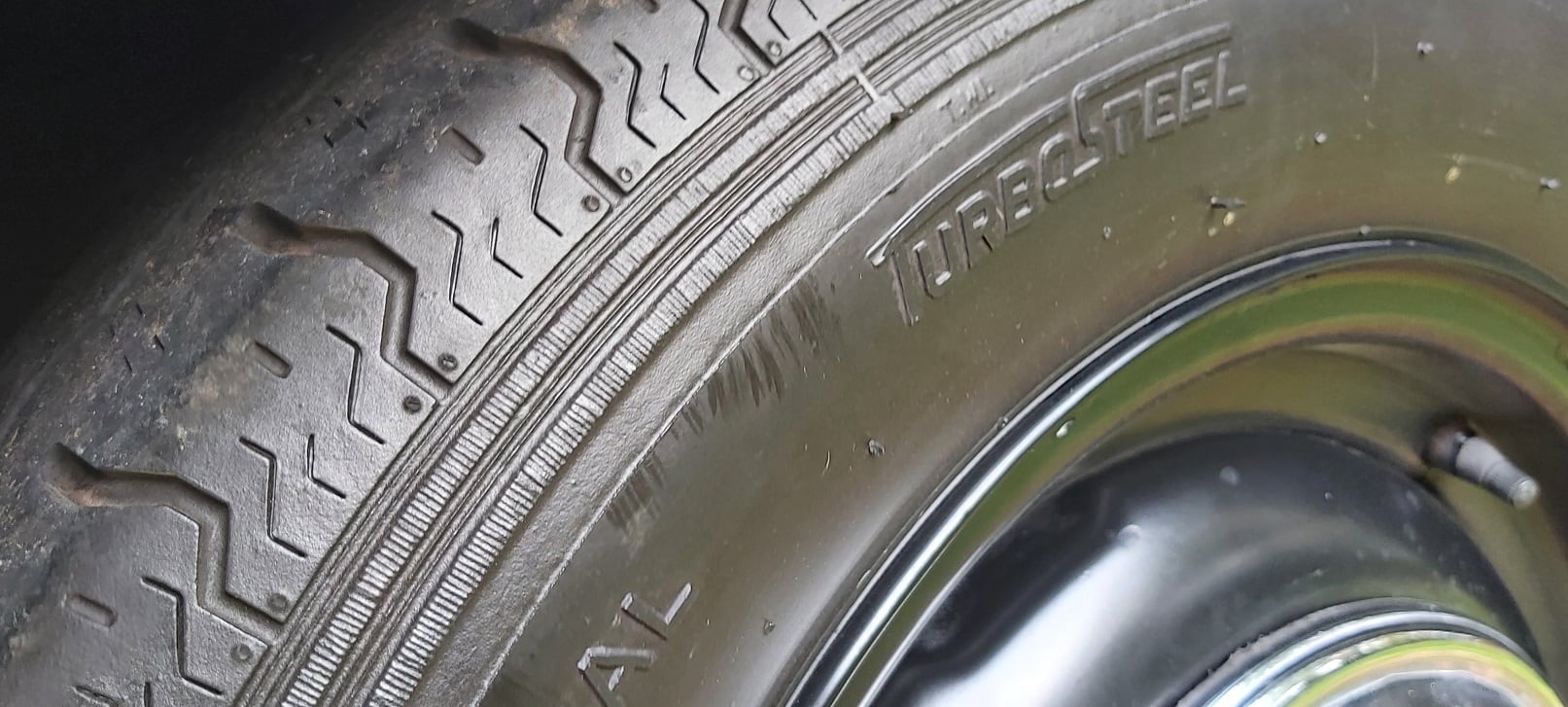
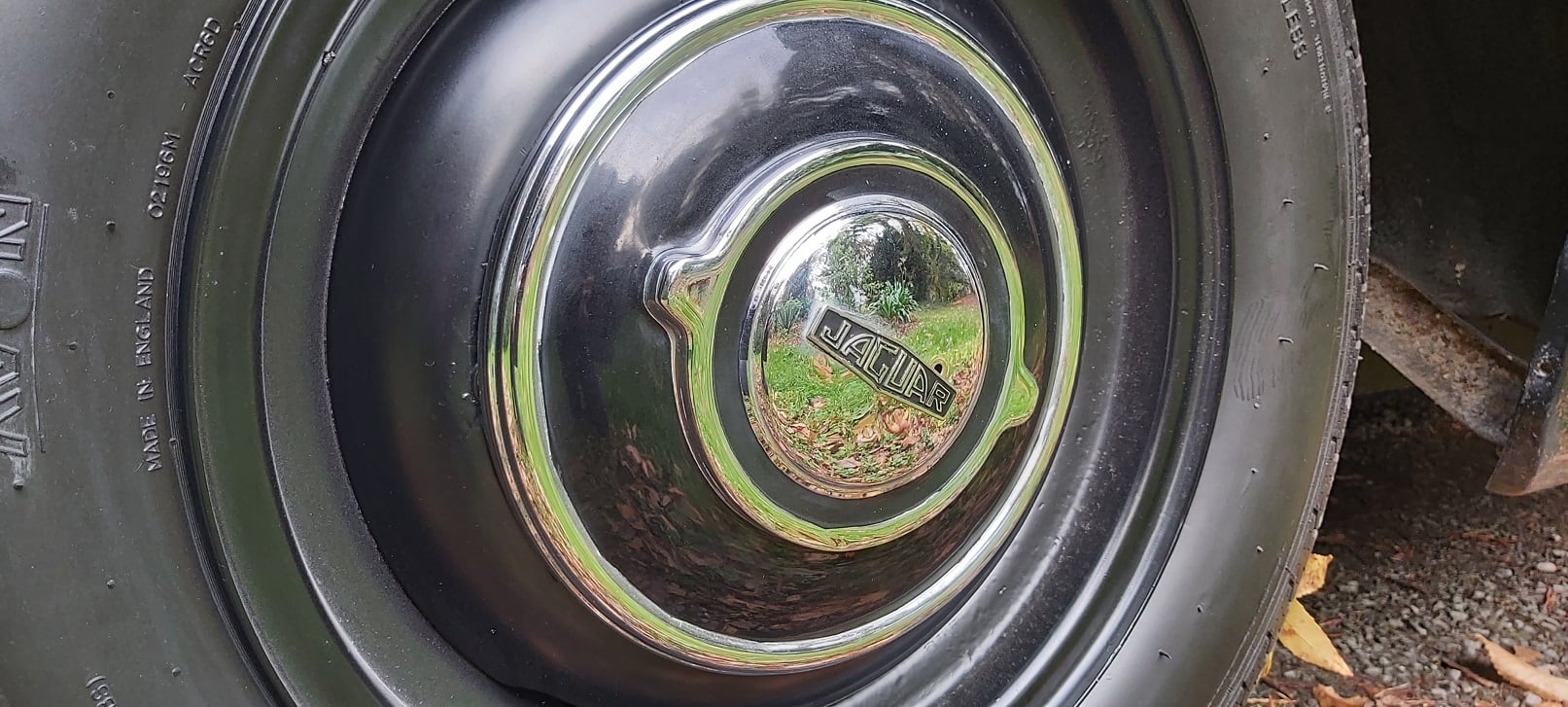
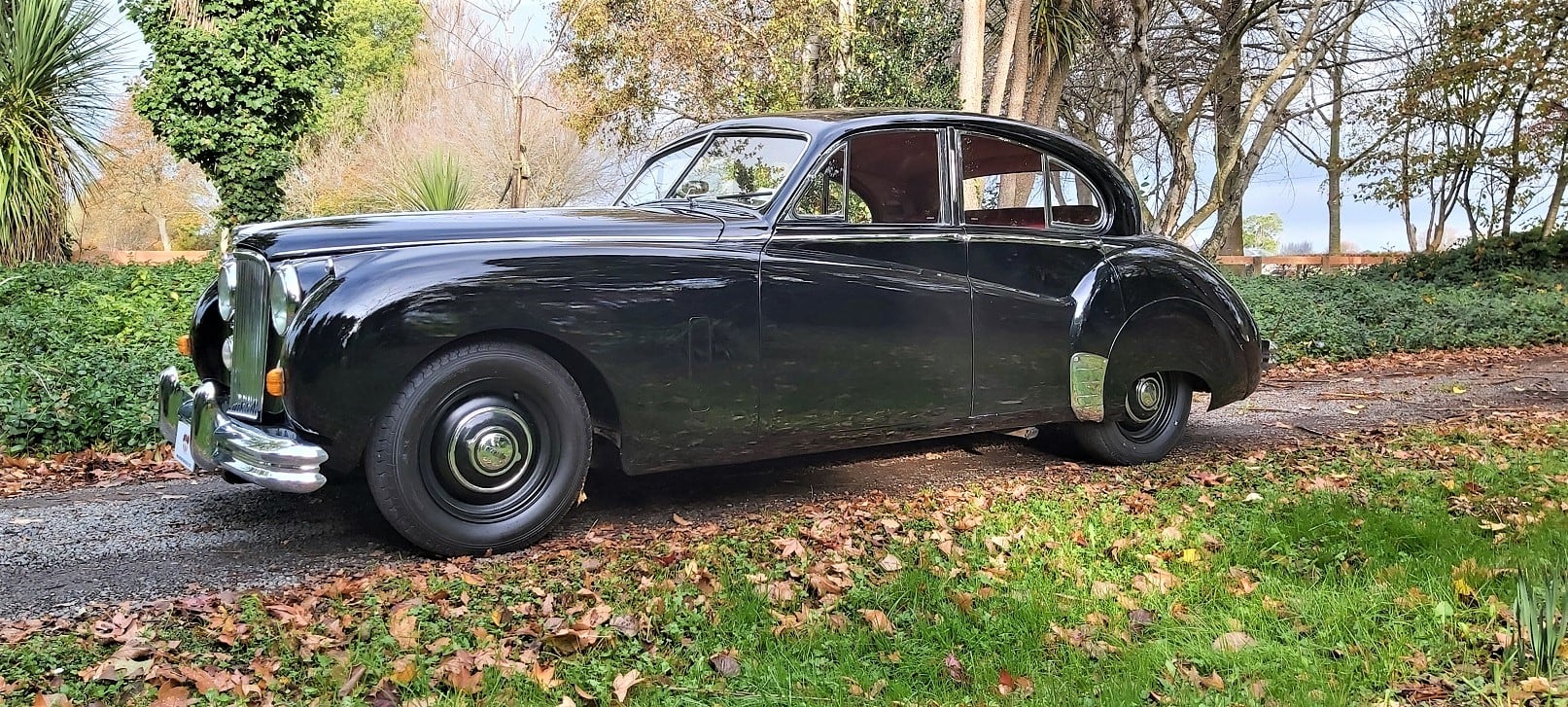
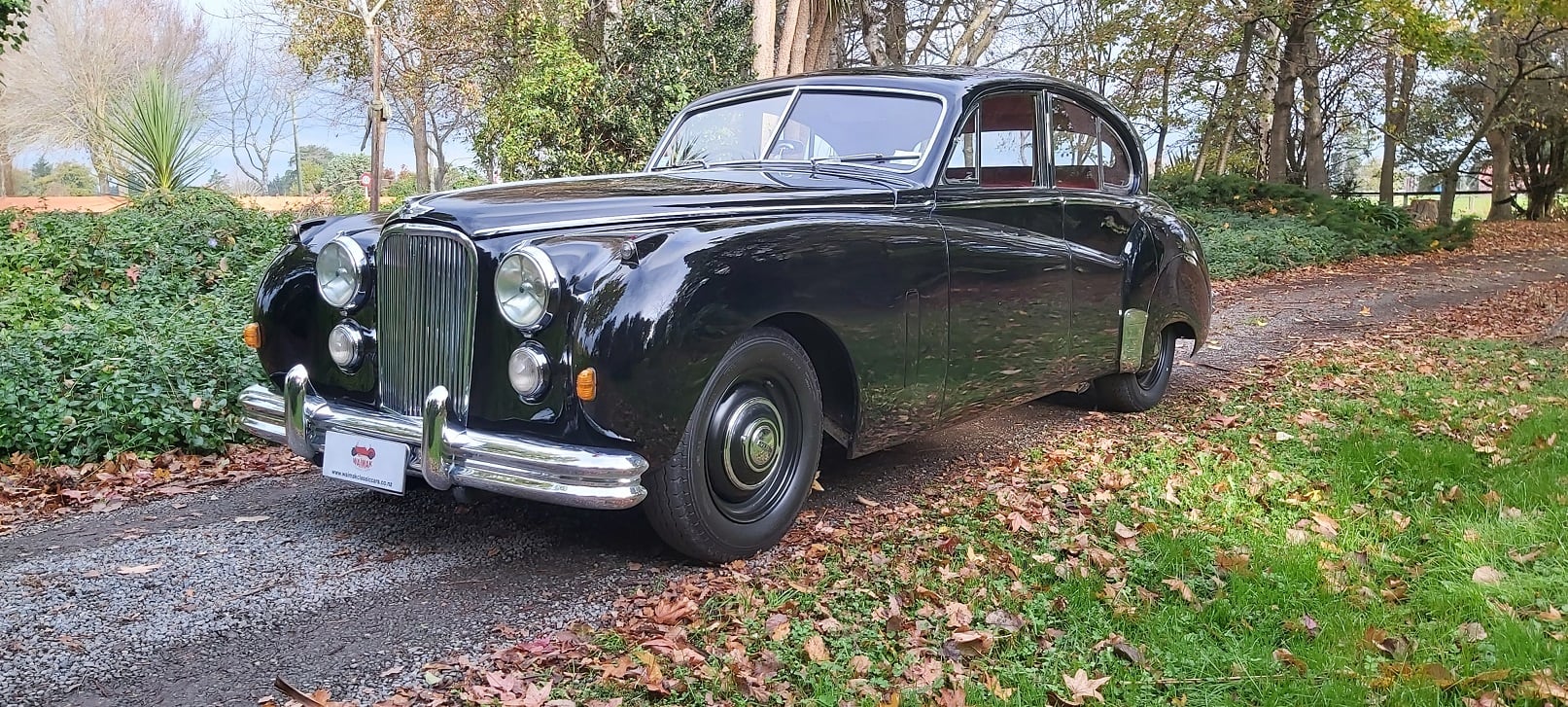
The 1952 Jaguar Mark VII offered here is a particularly tidy and appealing example that presents very well throughout. It has clearly benefited from considerable attention over the years, with an extensive collection of mechanical records dating back to 2010 providing valuable insight into the maintenance and work undertaken. A substantial amount has been invested in keeping this Jaguar in good mechanical order, and the result is a well-sorted classic that remains a pleasure to drive.
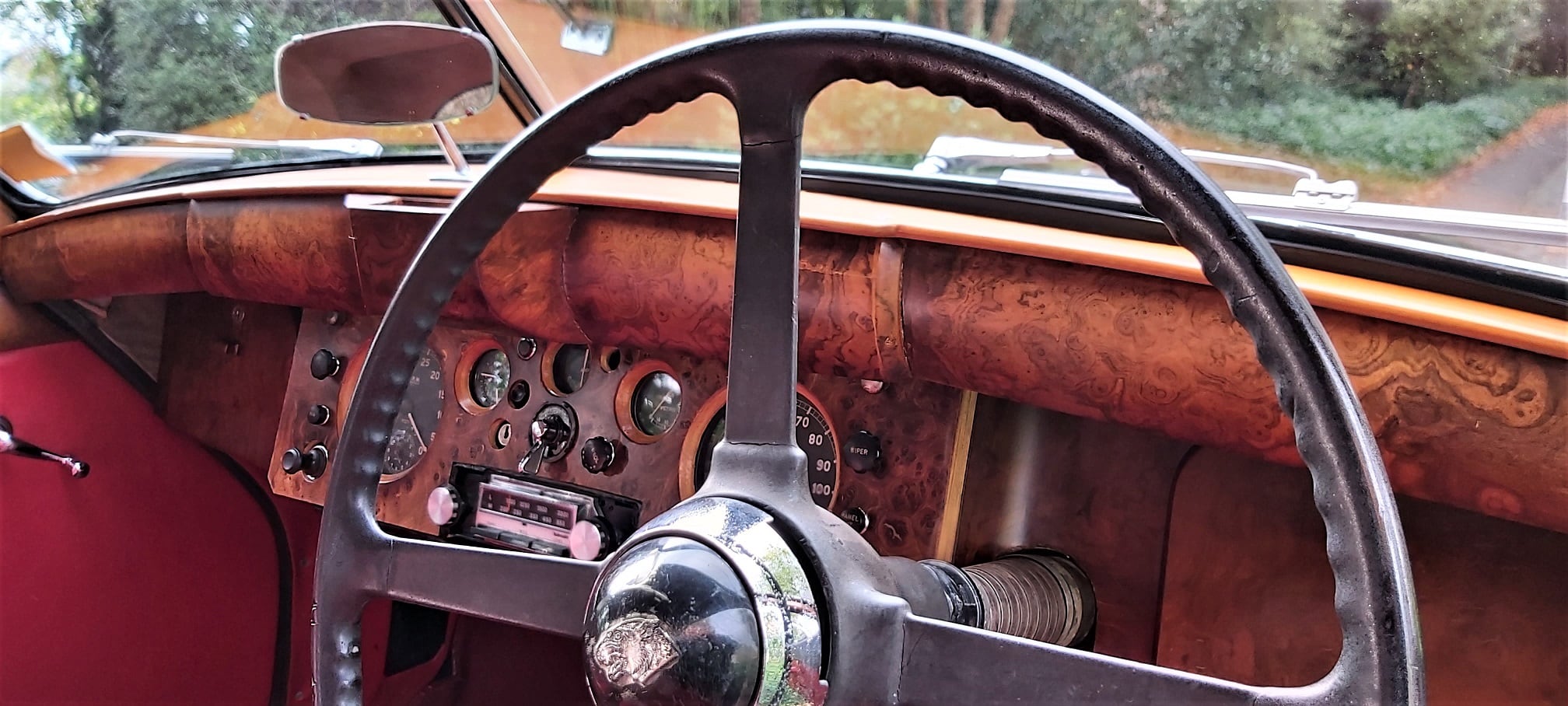
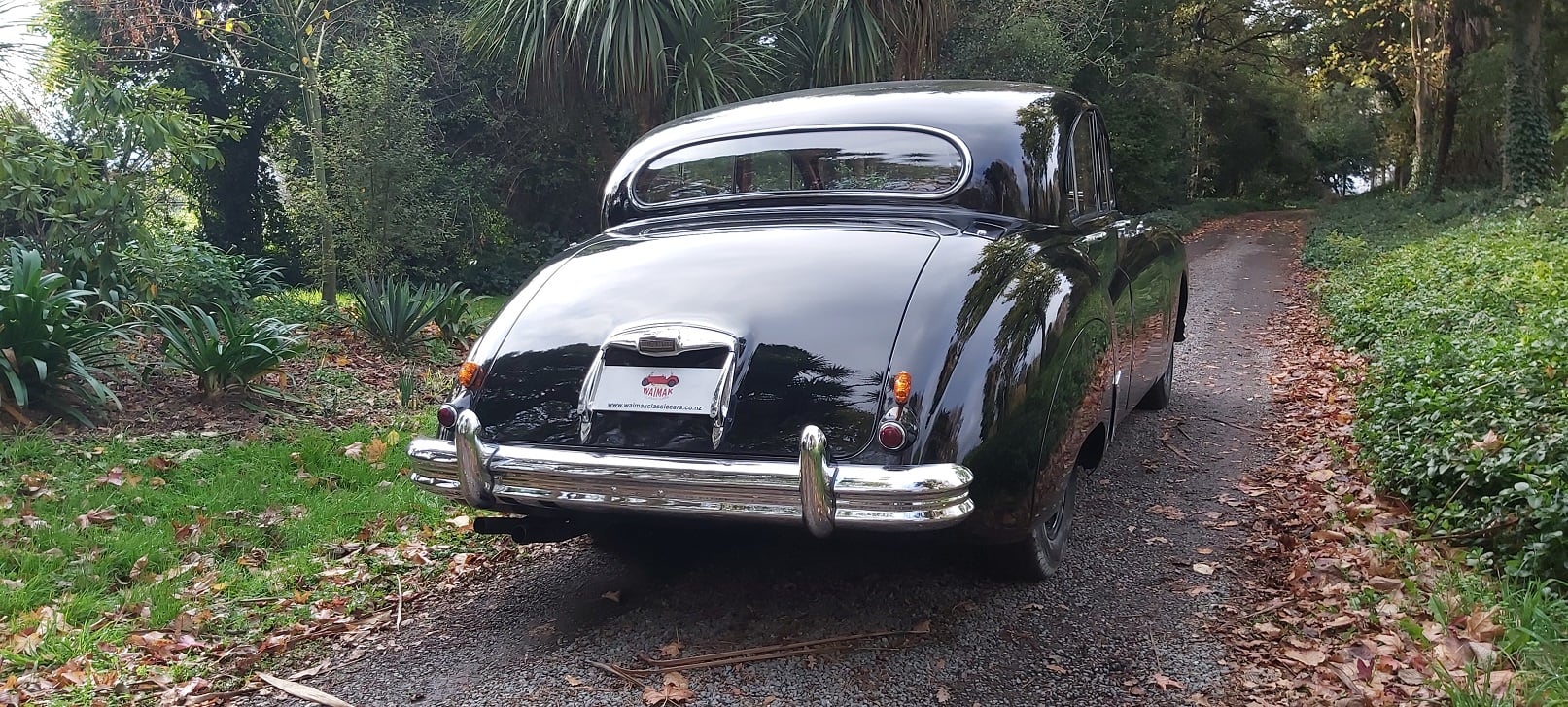
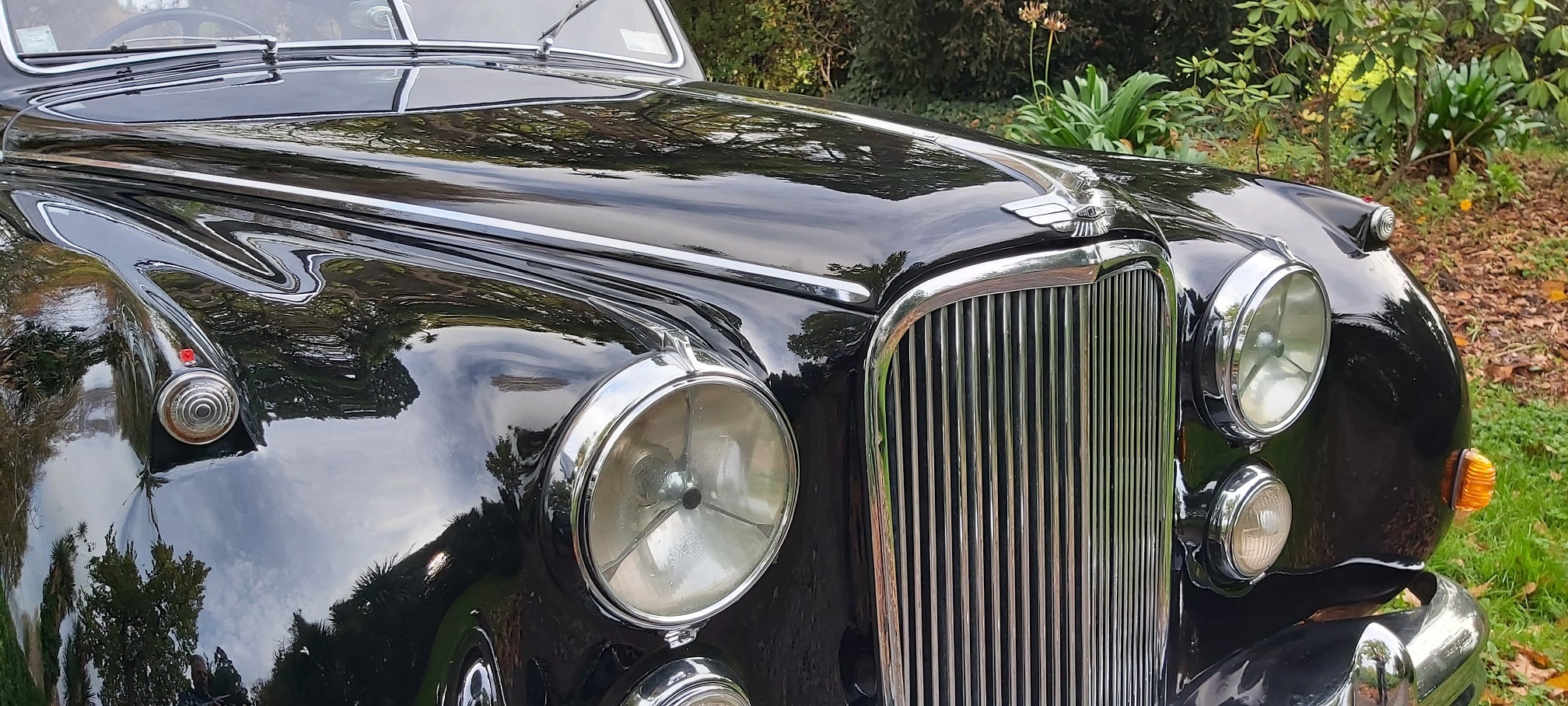
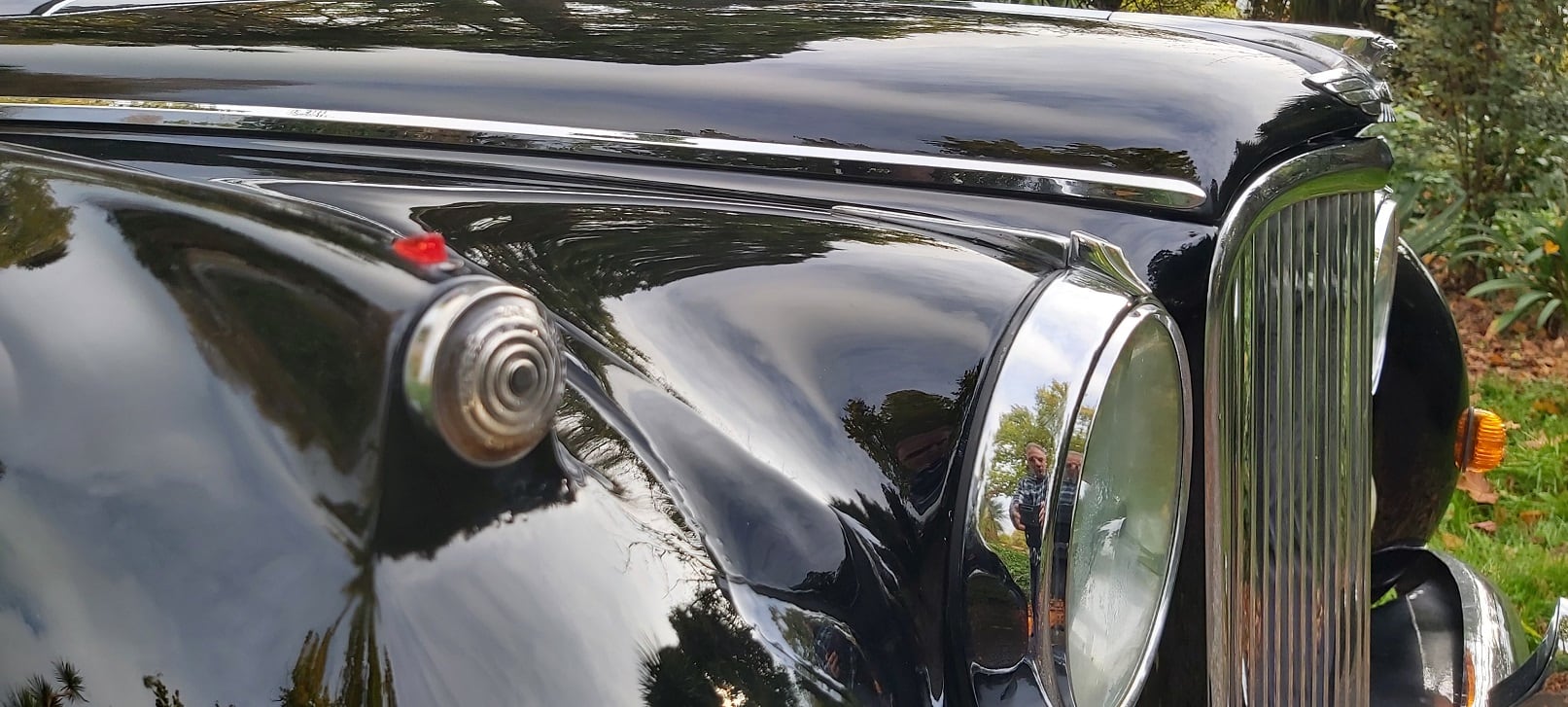
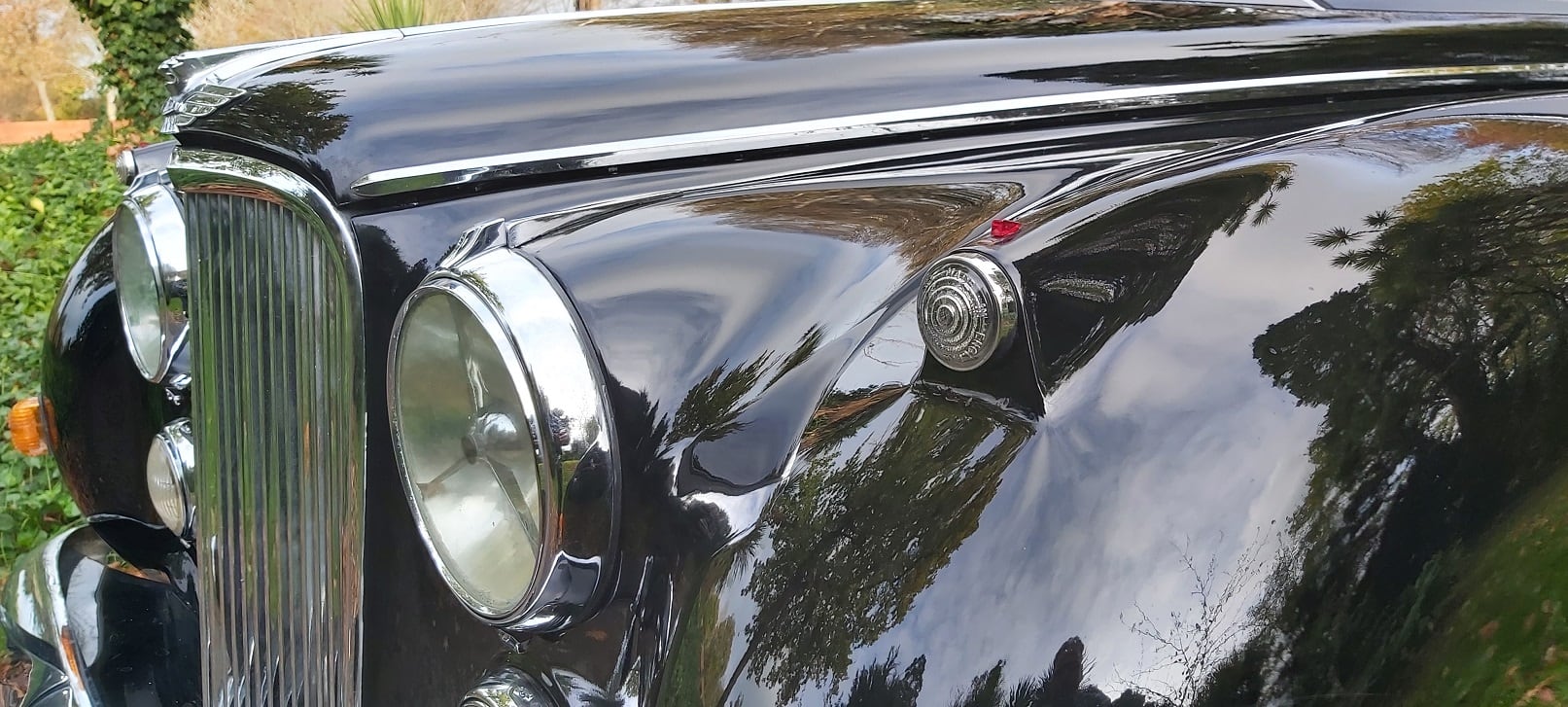
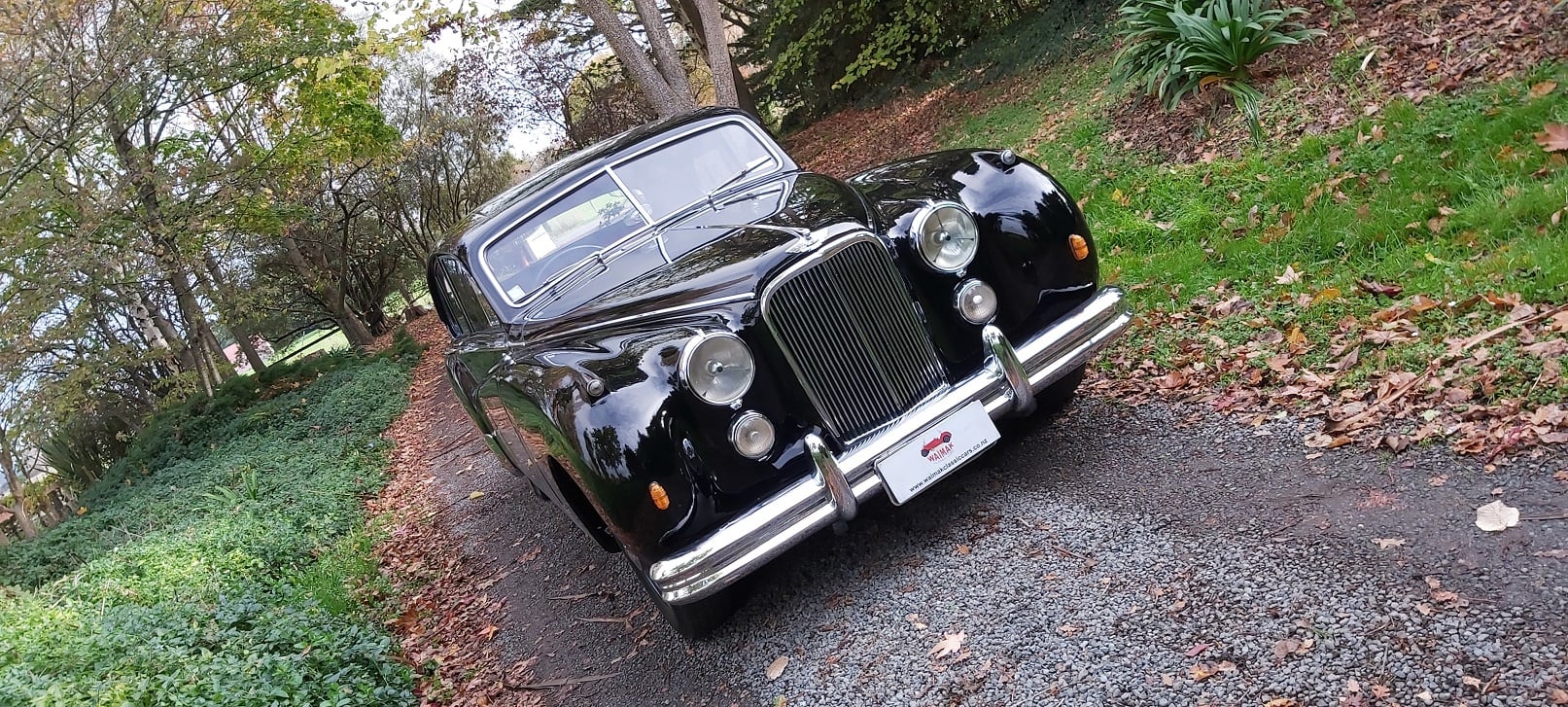
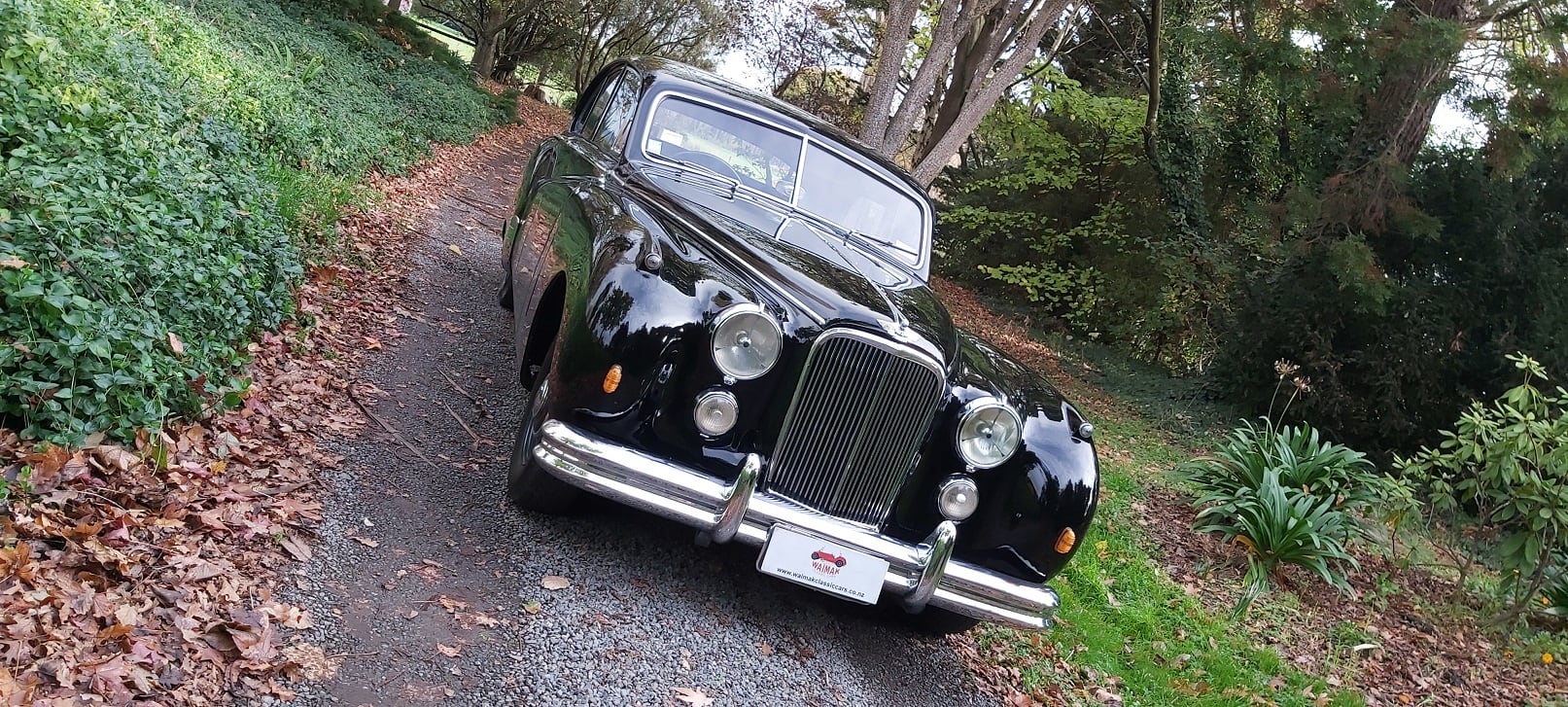
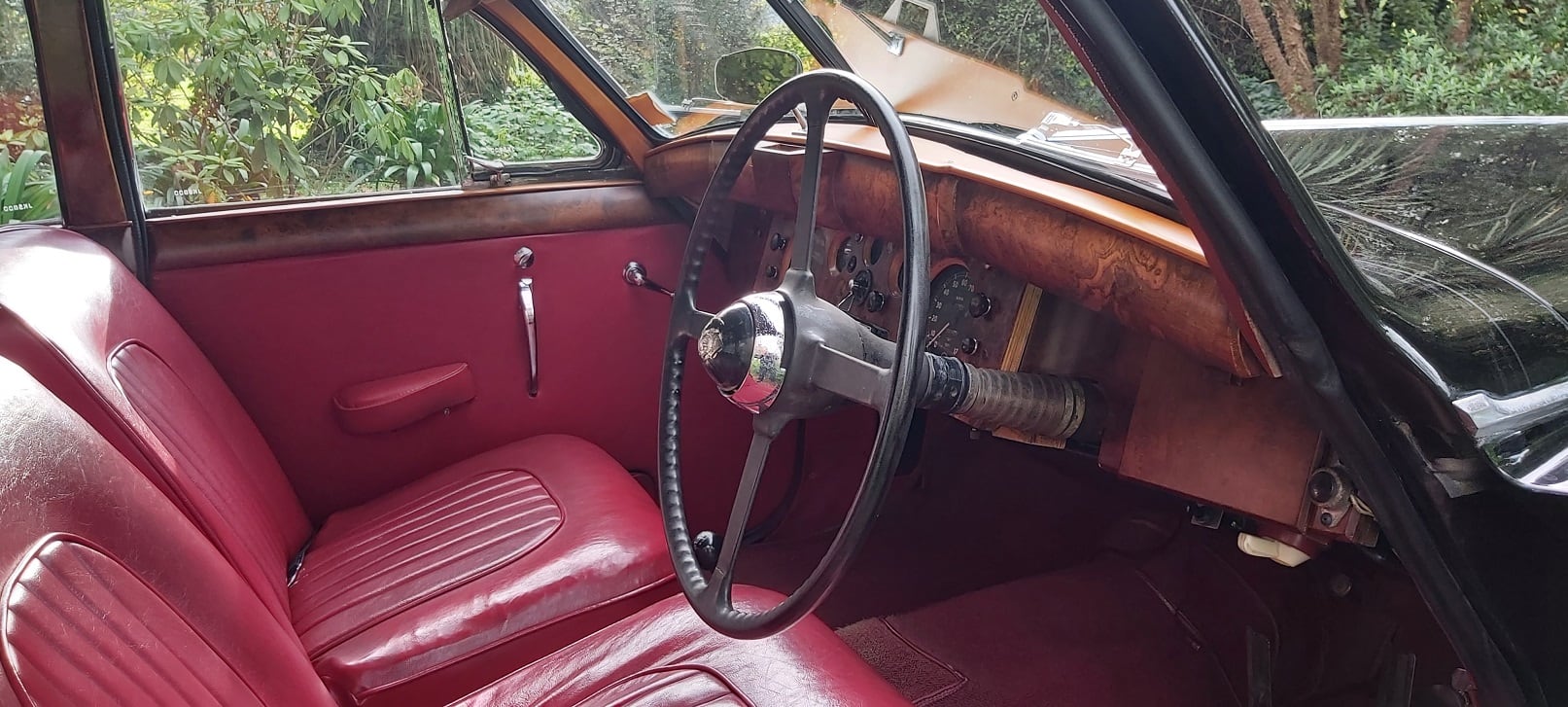
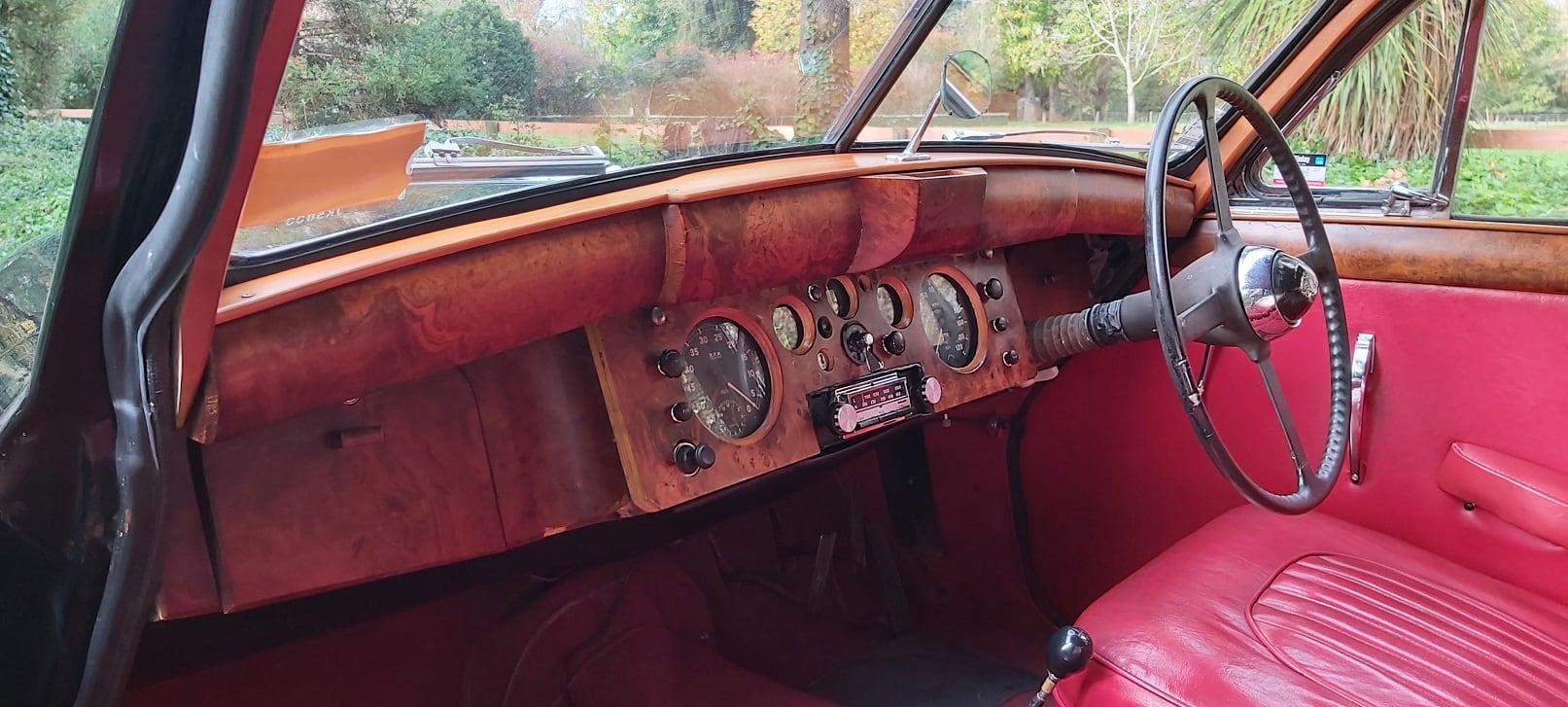
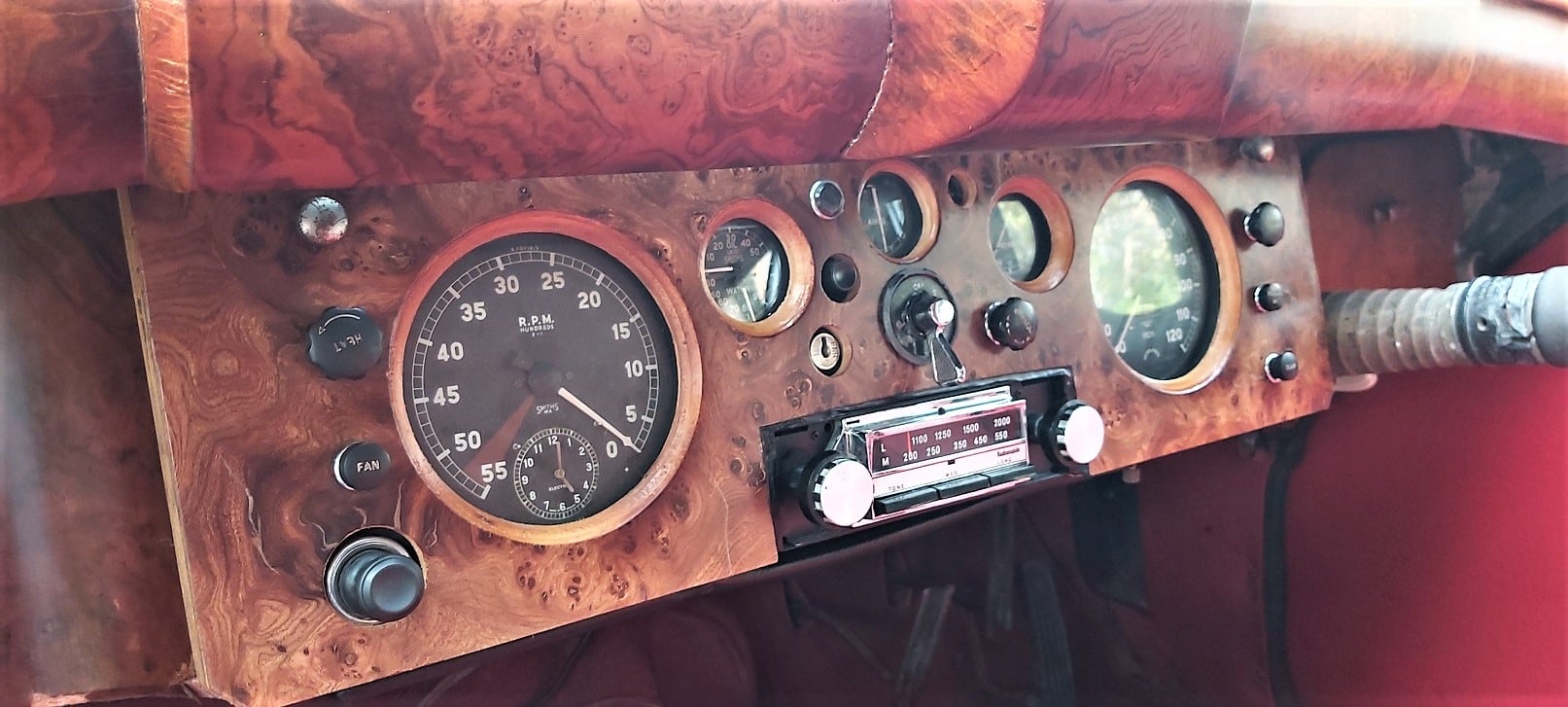
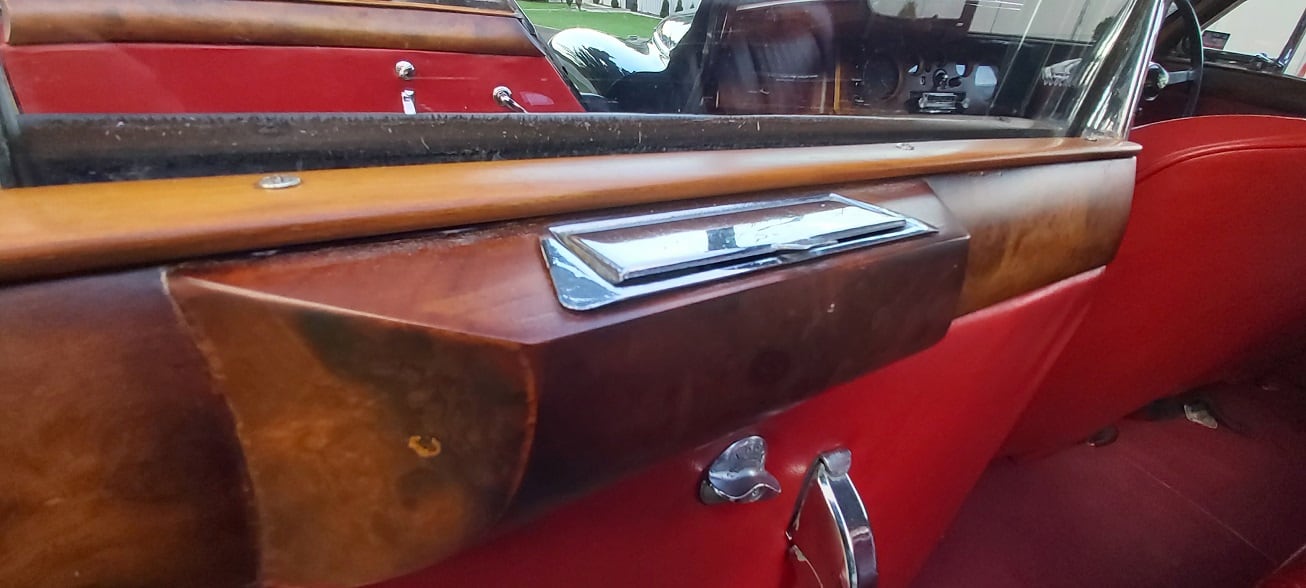
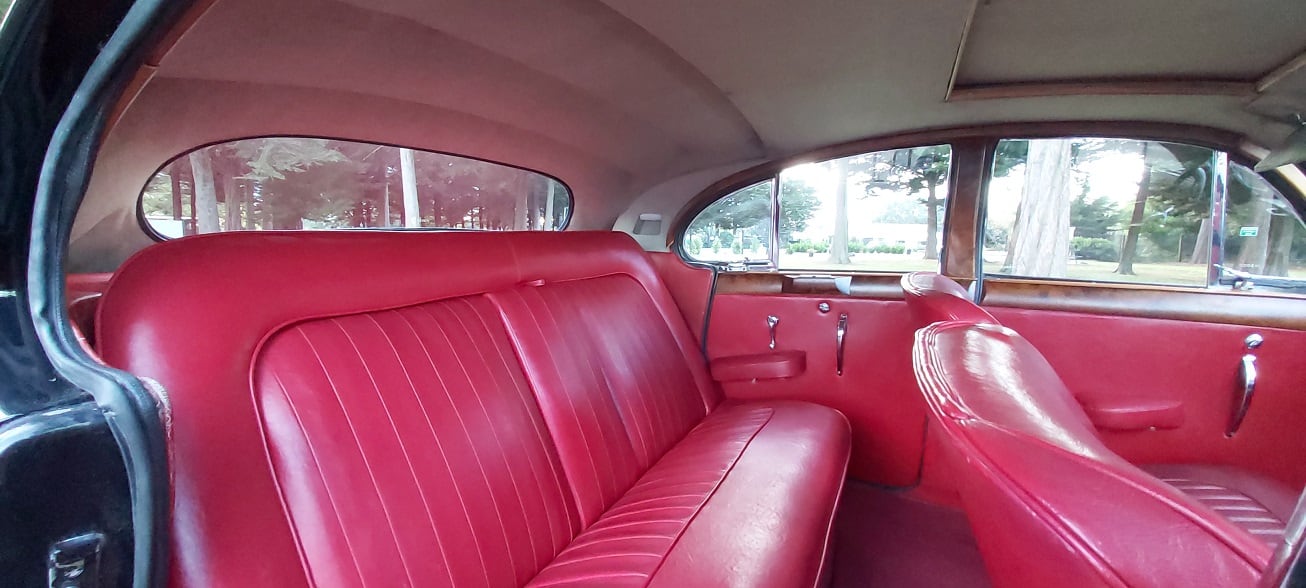
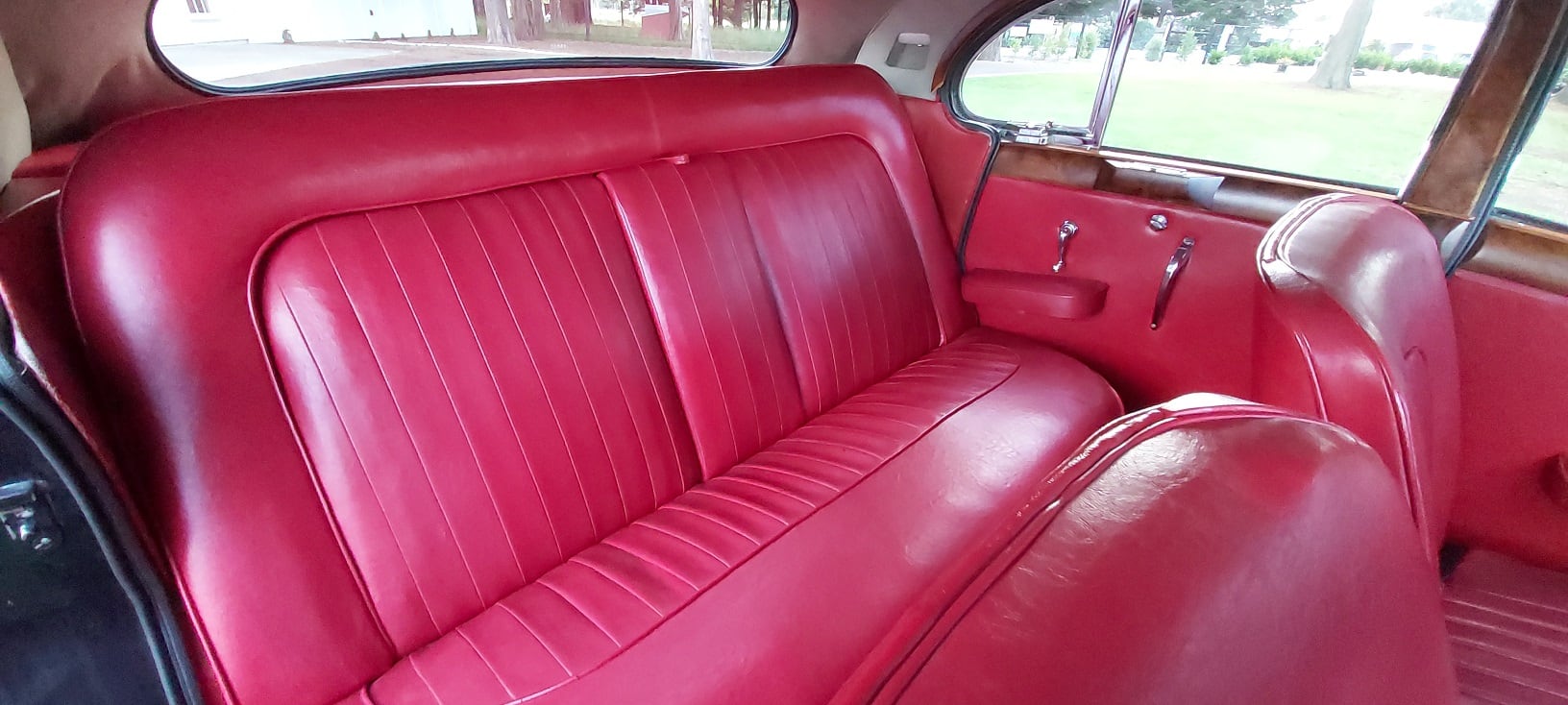
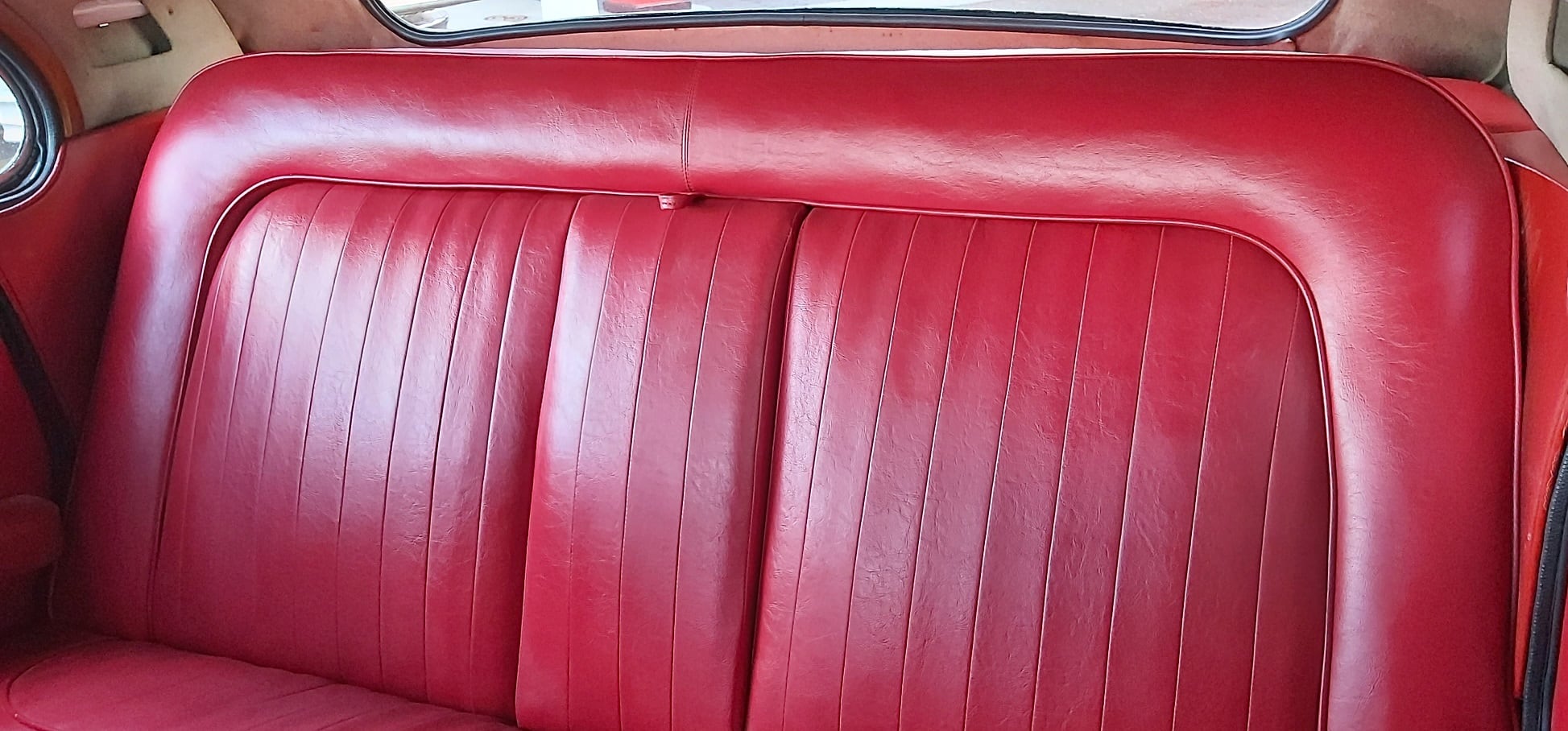
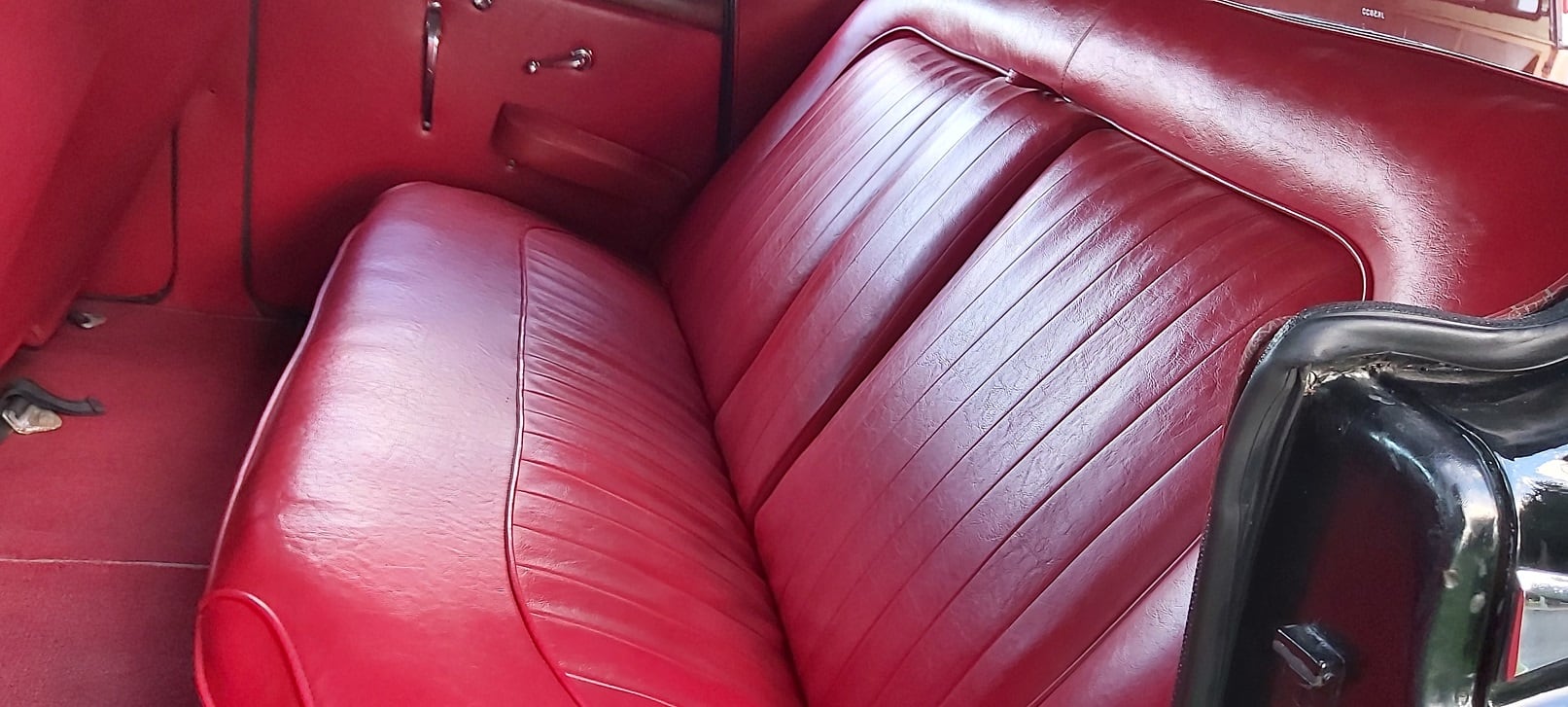
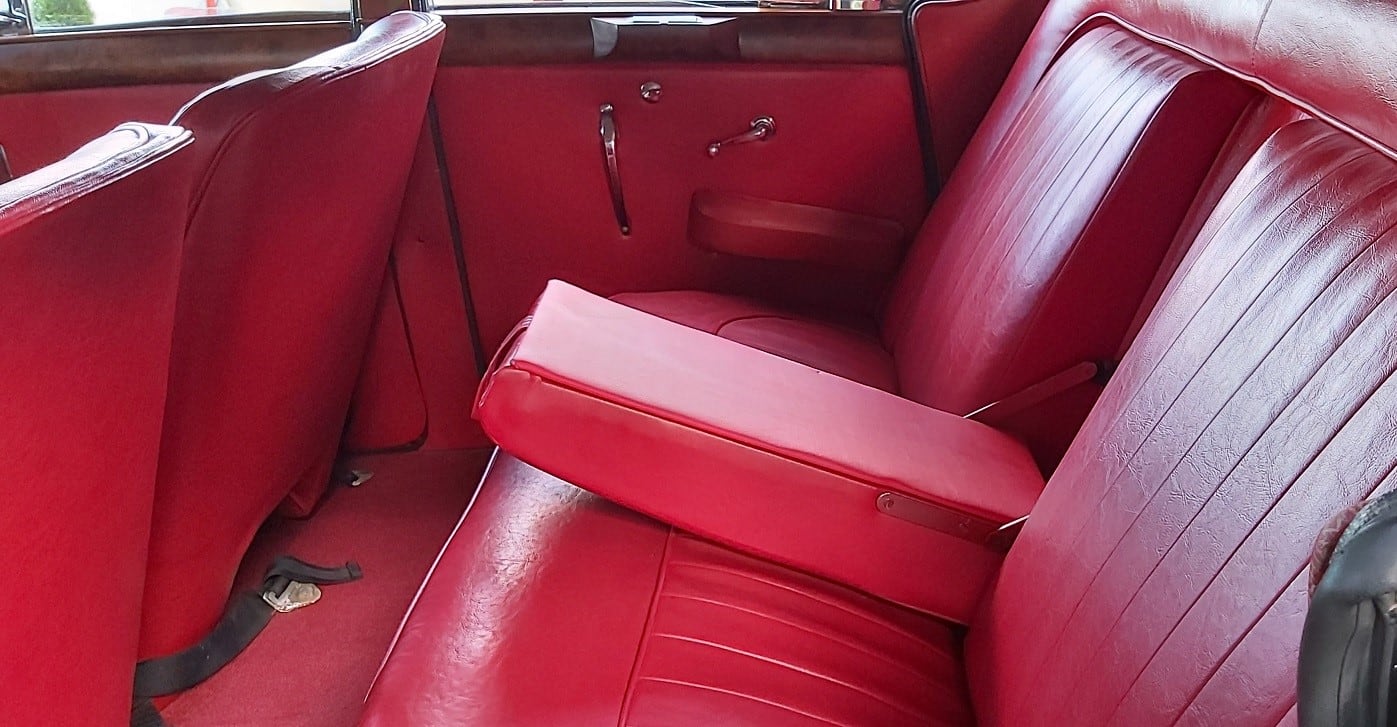
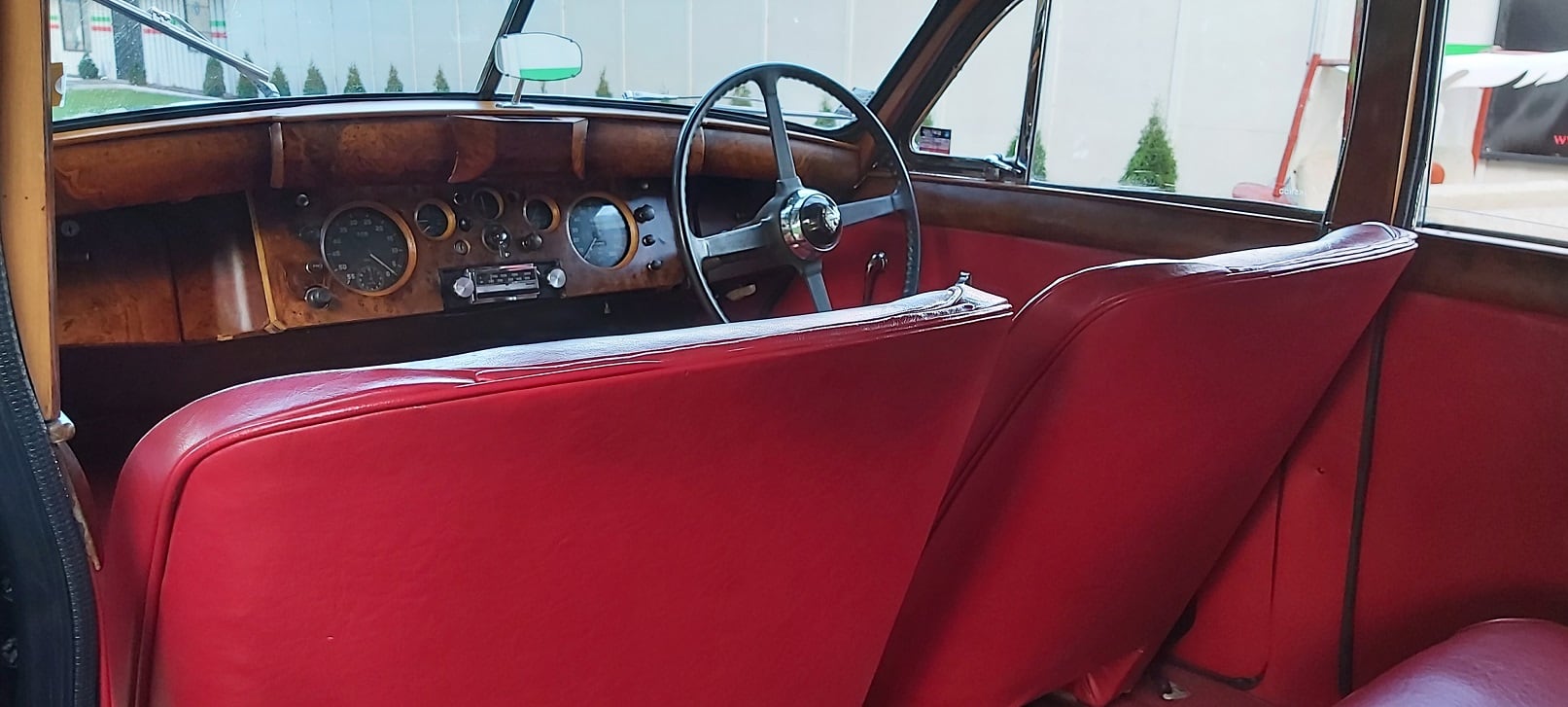
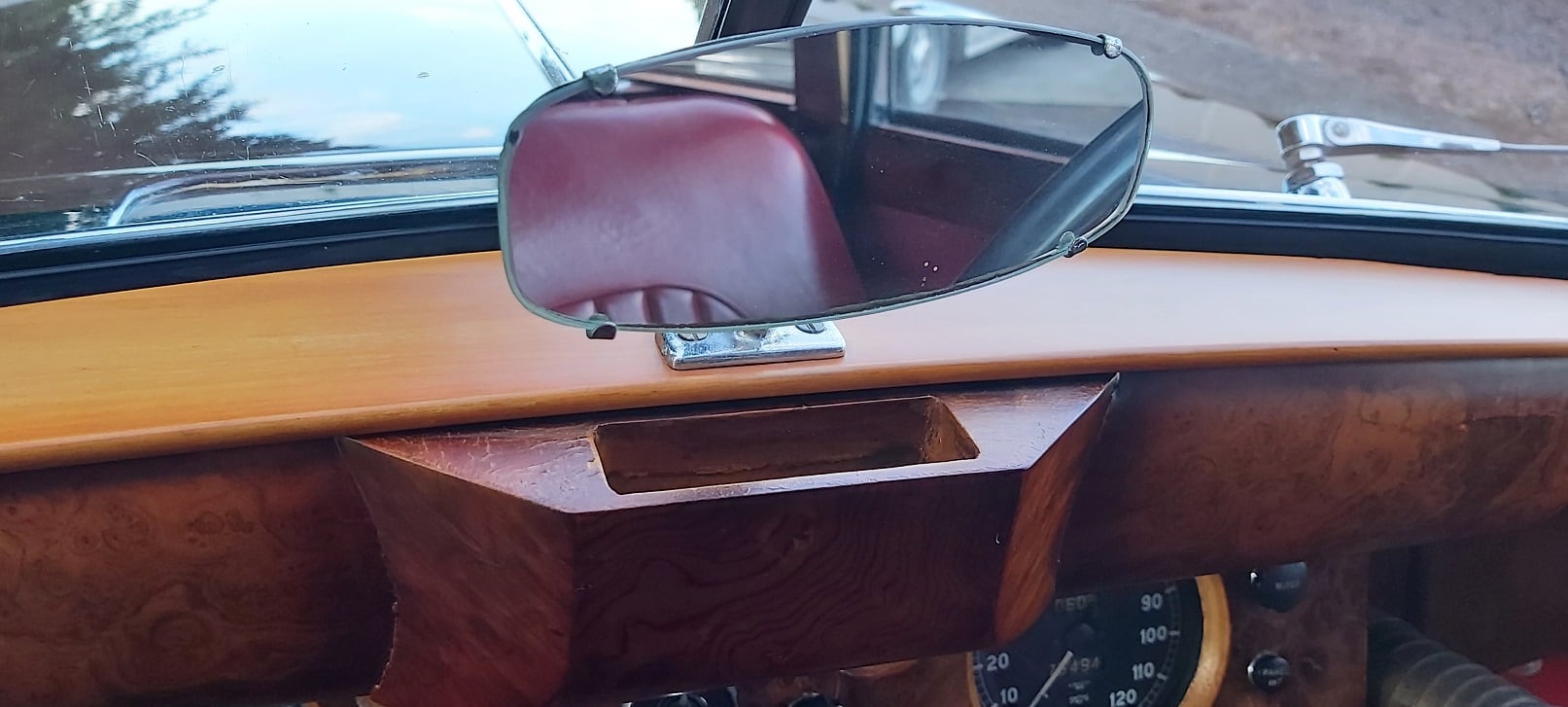
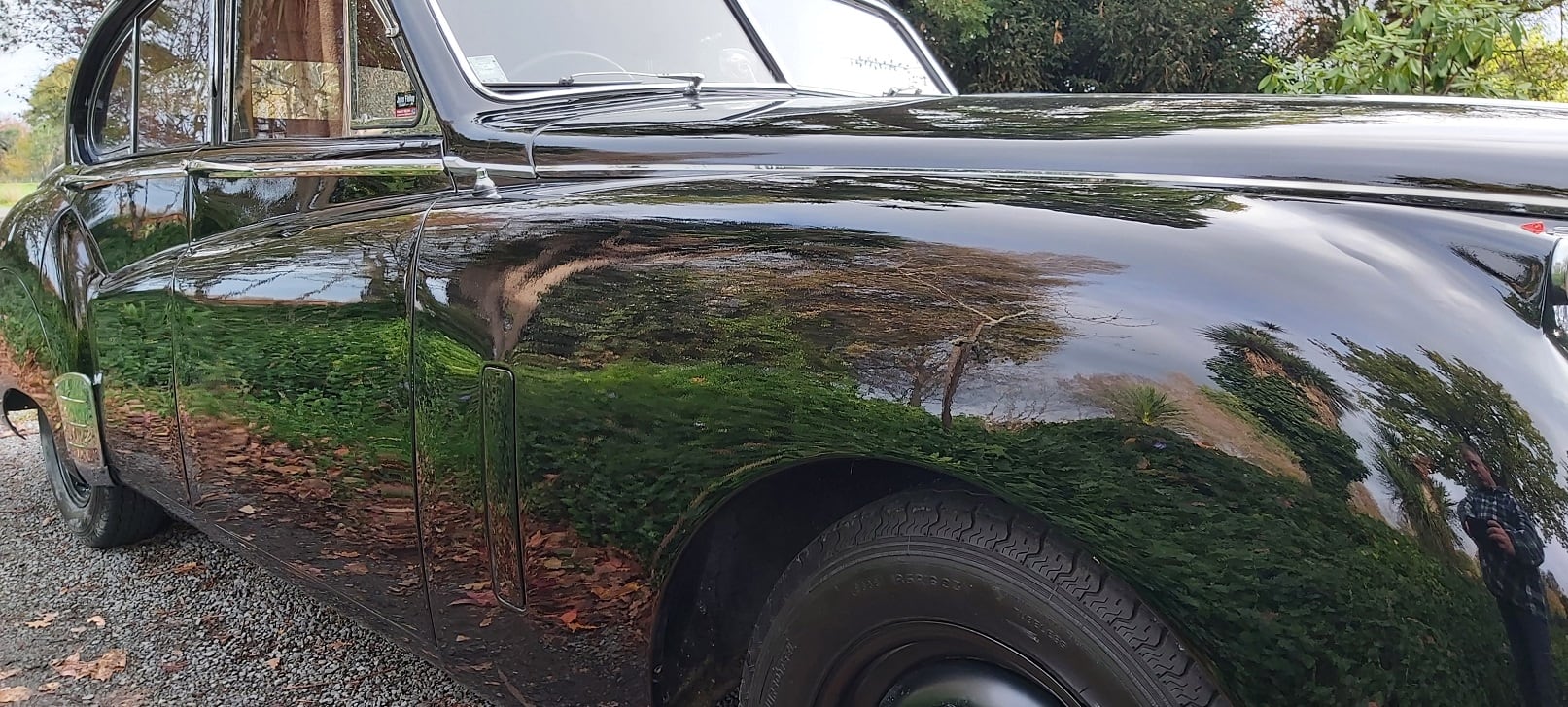
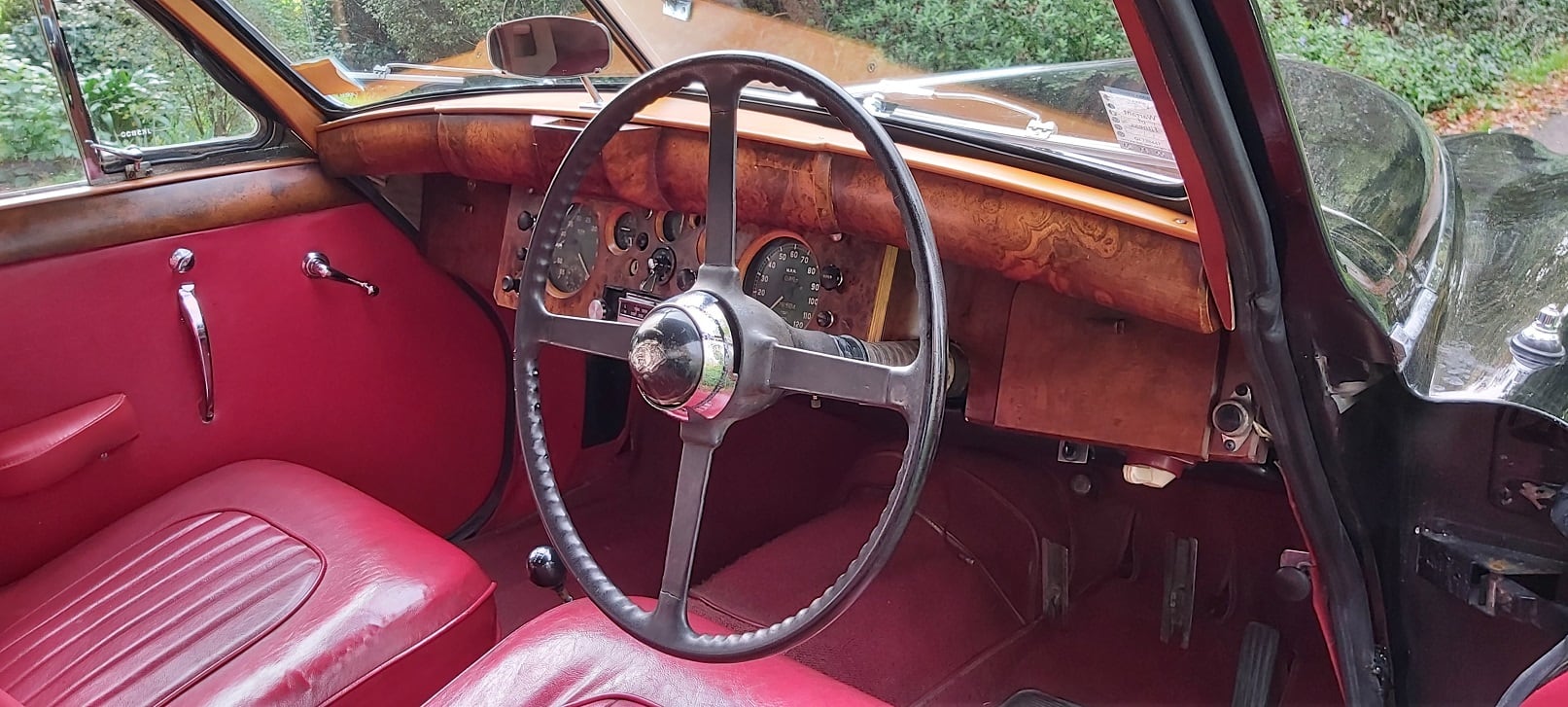
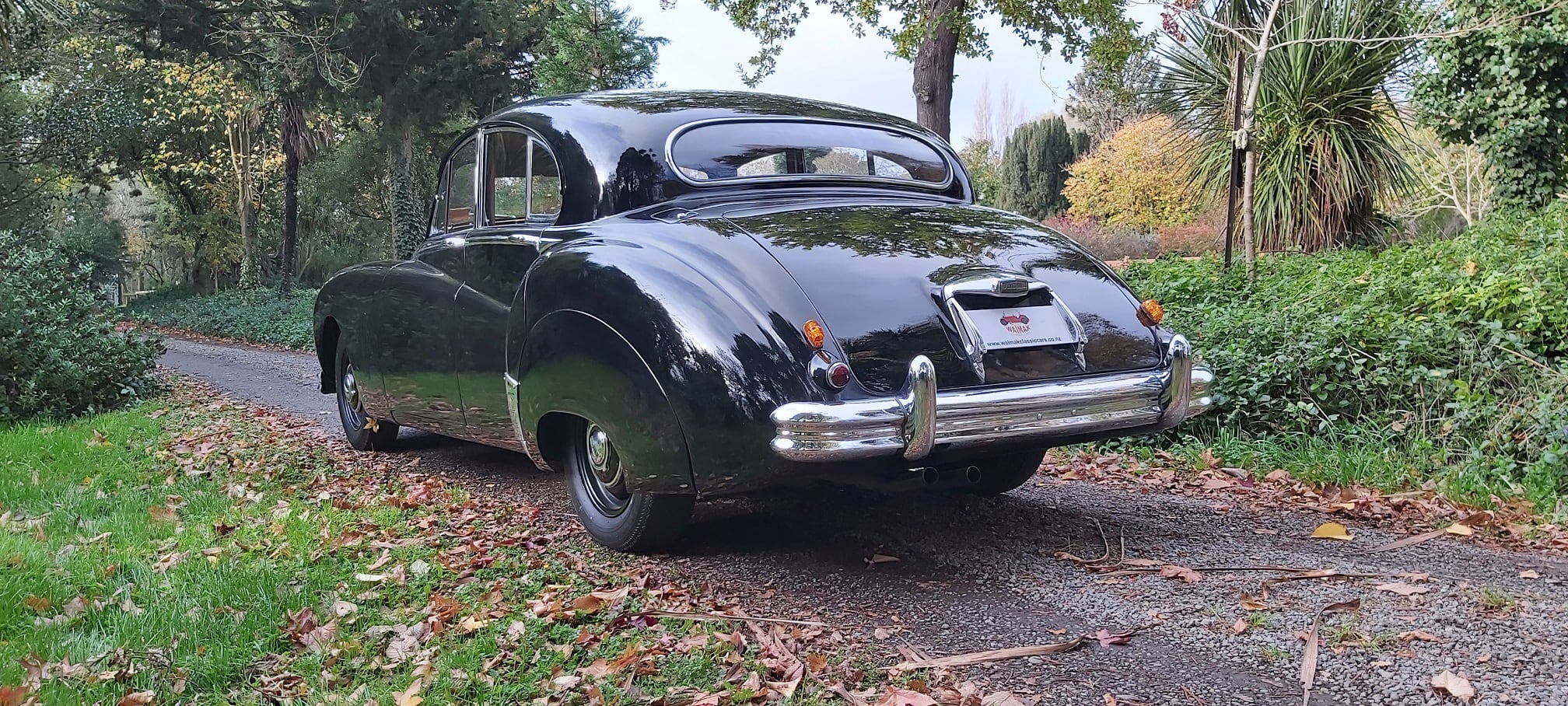
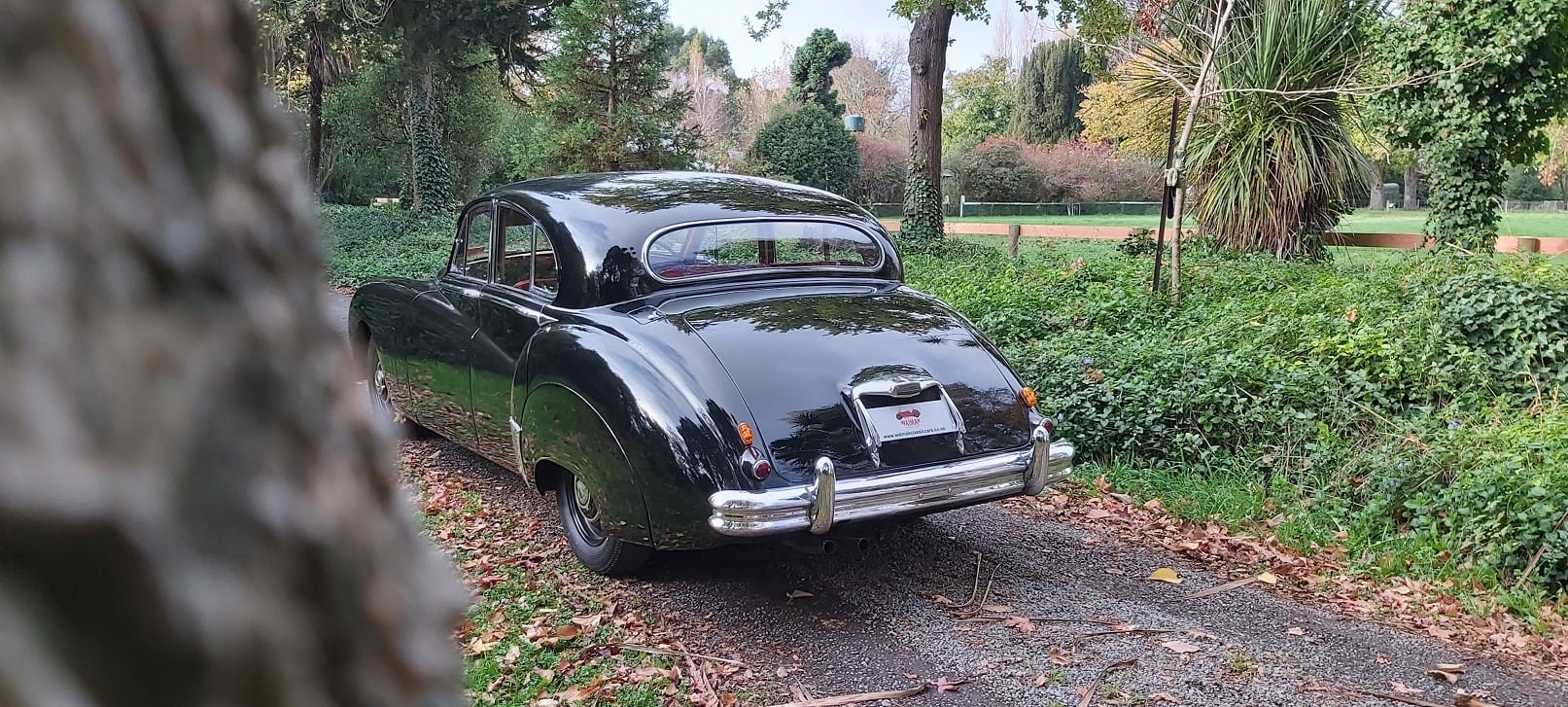
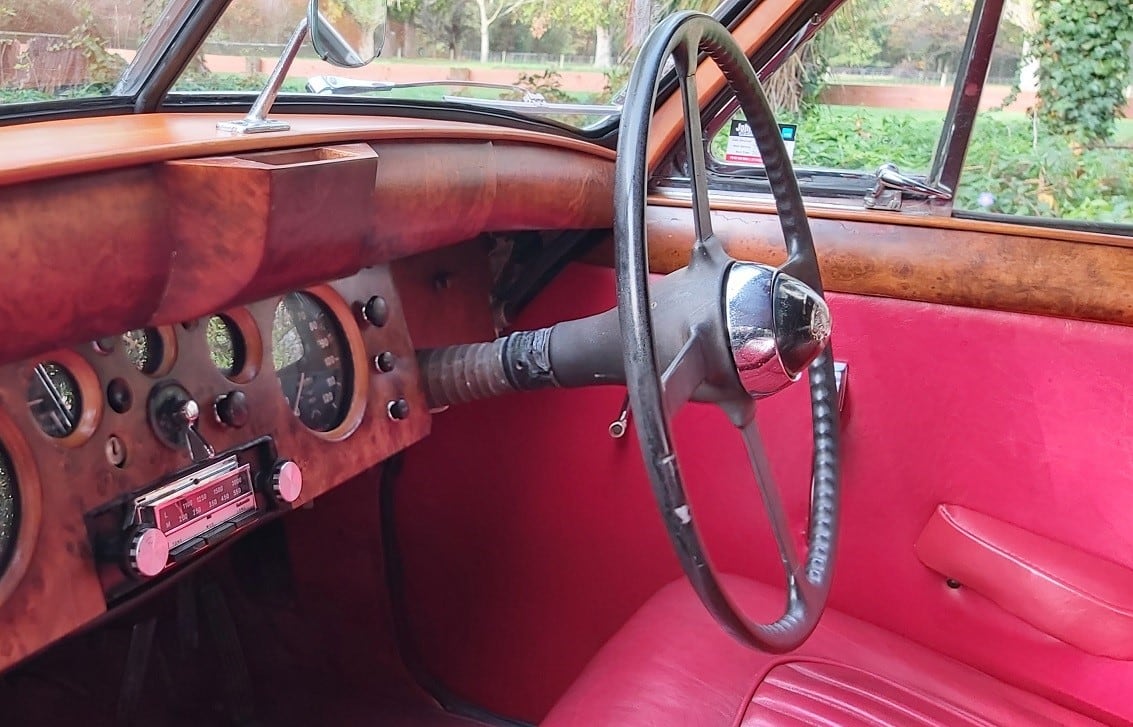
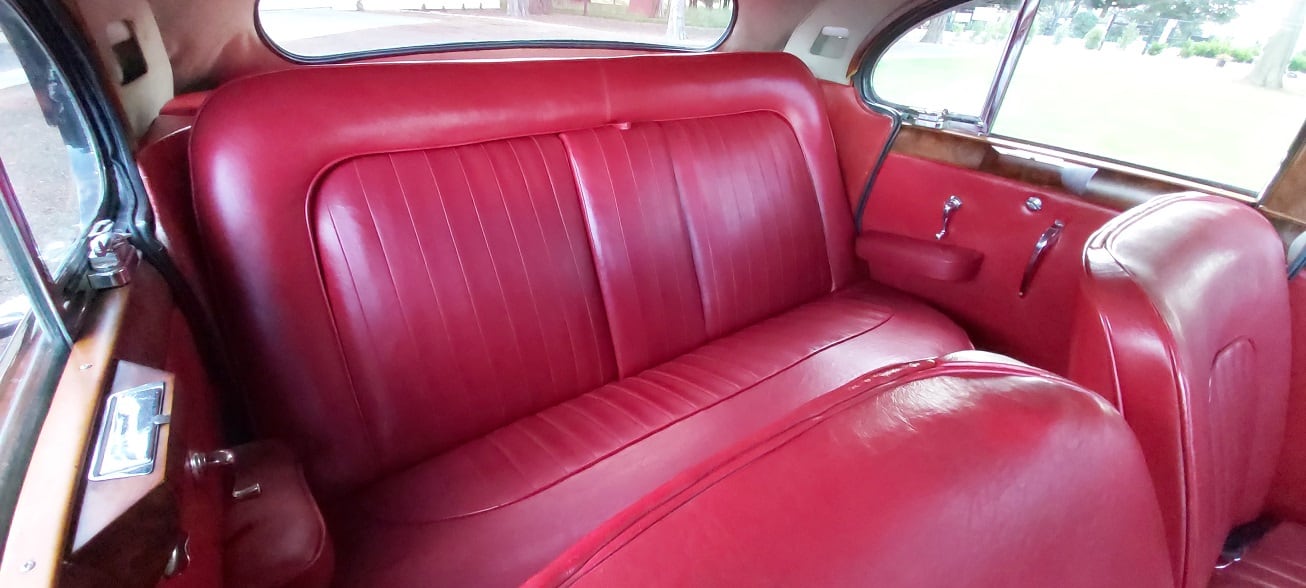
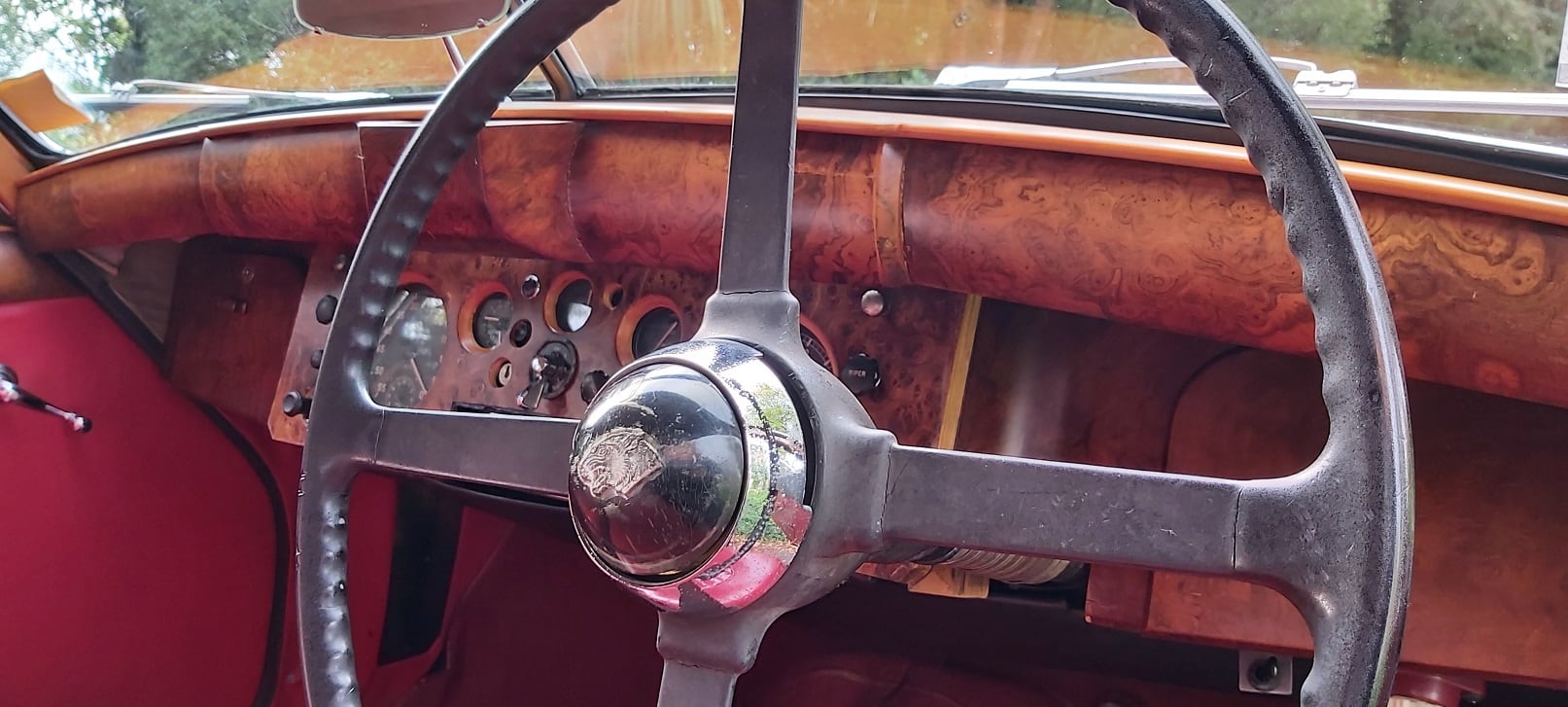
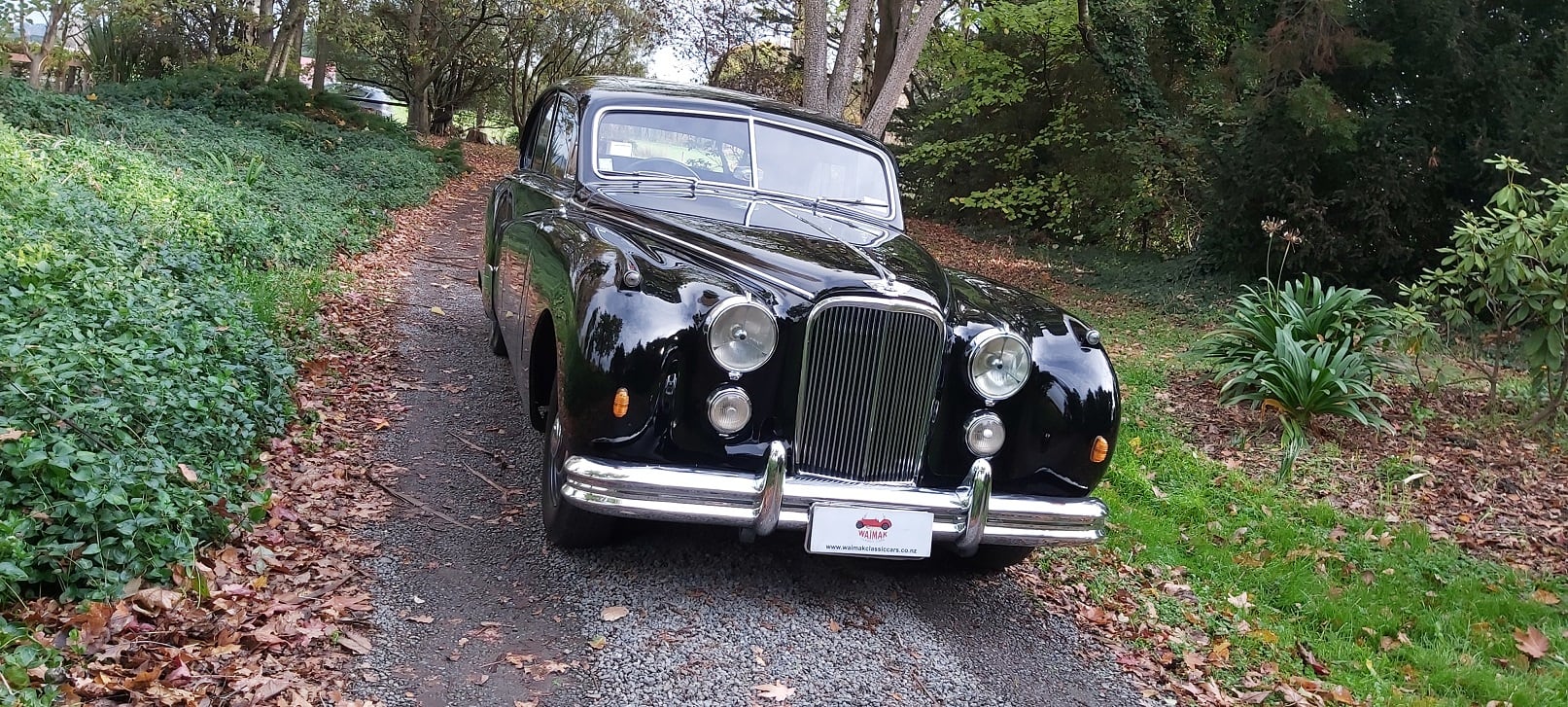
The bodywork appears straight and sound, with no obvious evidence of significant rust in the areas we have been able to inspect. The paintwork presents well and complements the elegant lines of this imposing saloon. Inside, the traditional Jaguar atmosphere is very much intact, with tidy upholstery, attractive timber appointments and an interior that retains much of its original character.
Bodywork & Exterior
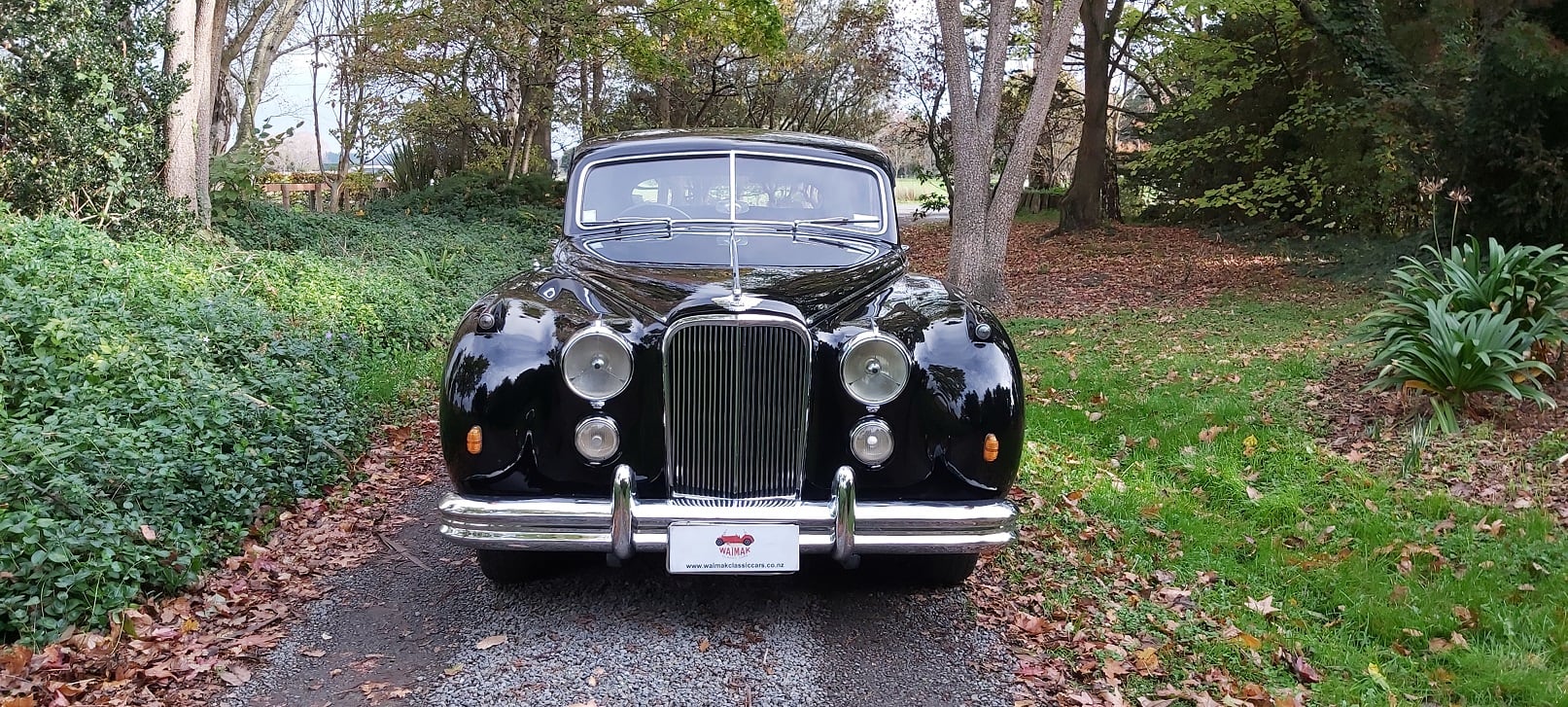
- Straight and well-presented bodywork.
- From our inspection, the body appears clean and free from obvious significant rust.
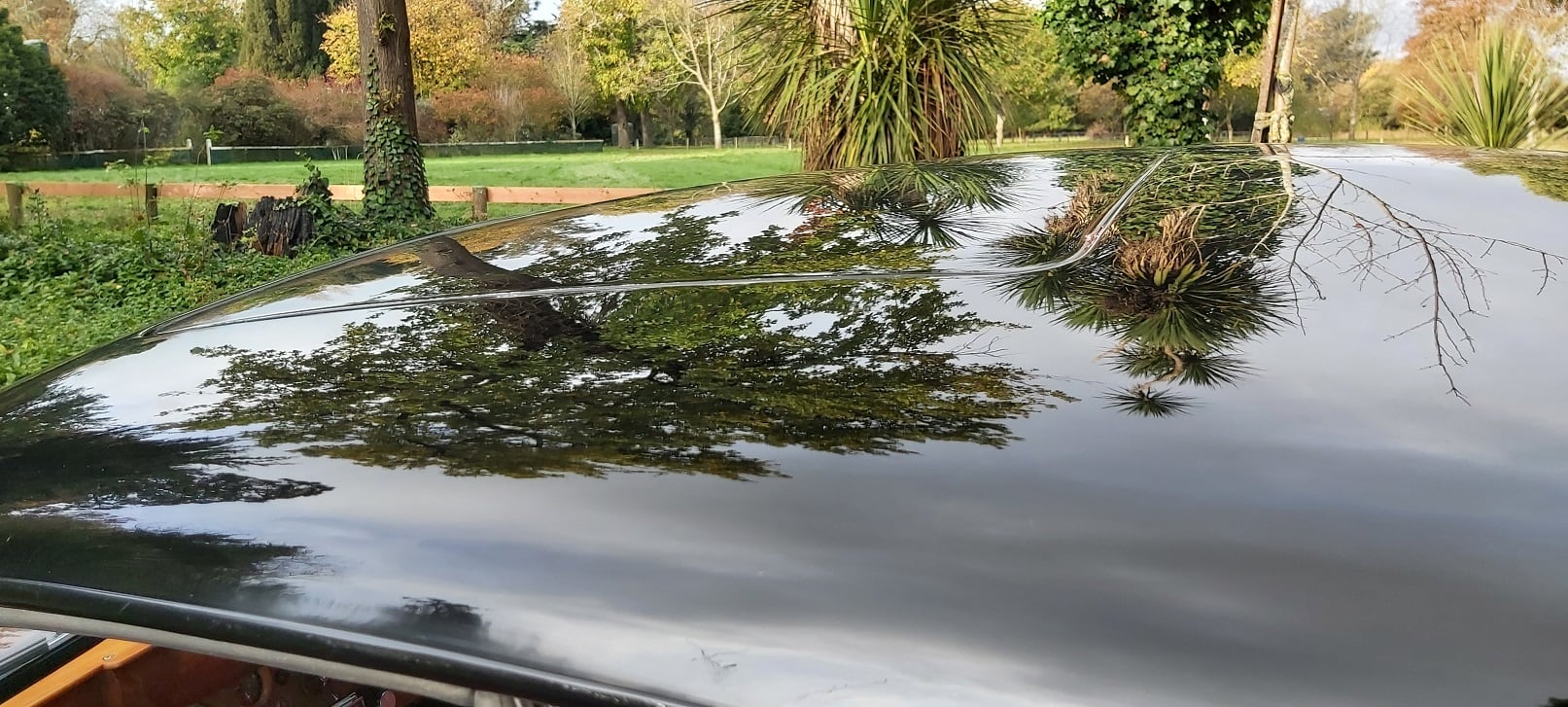
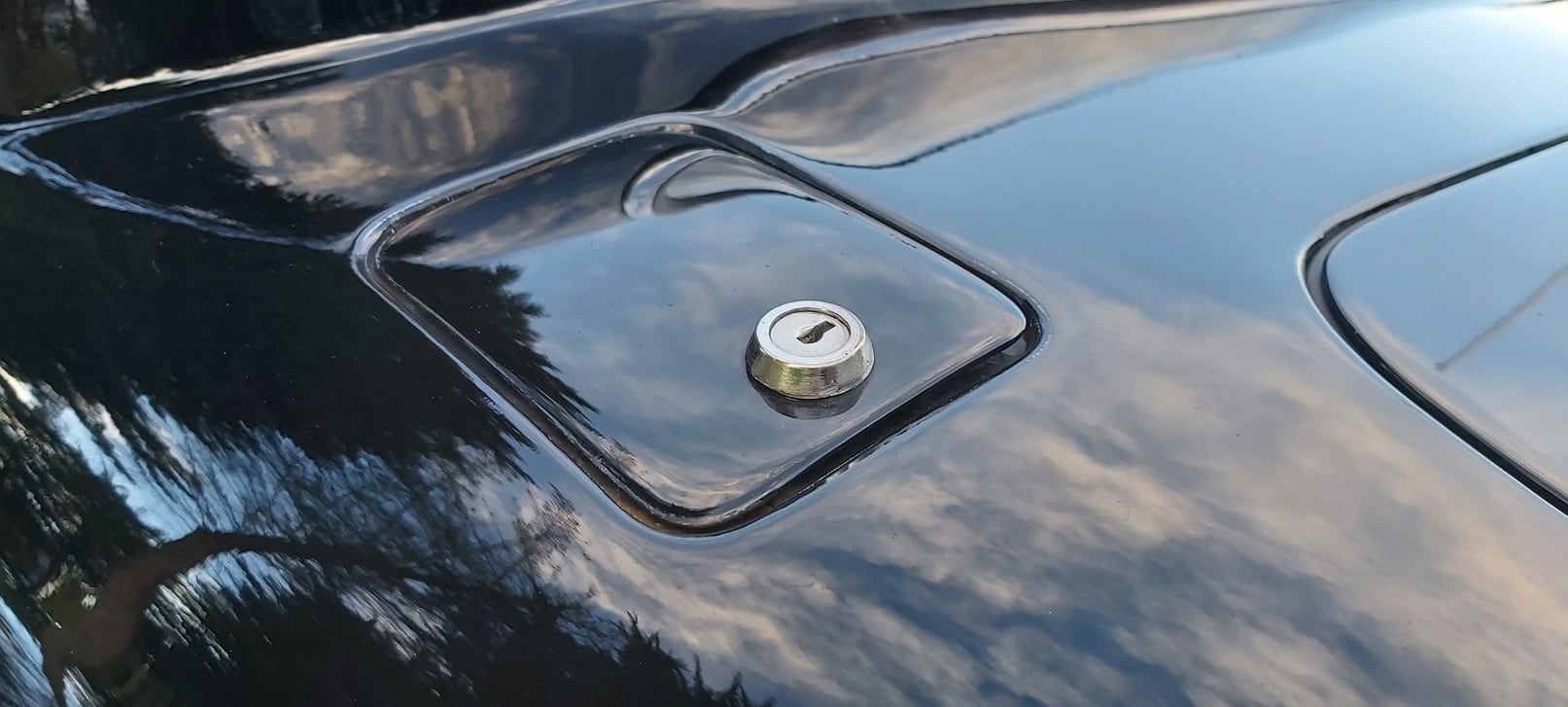
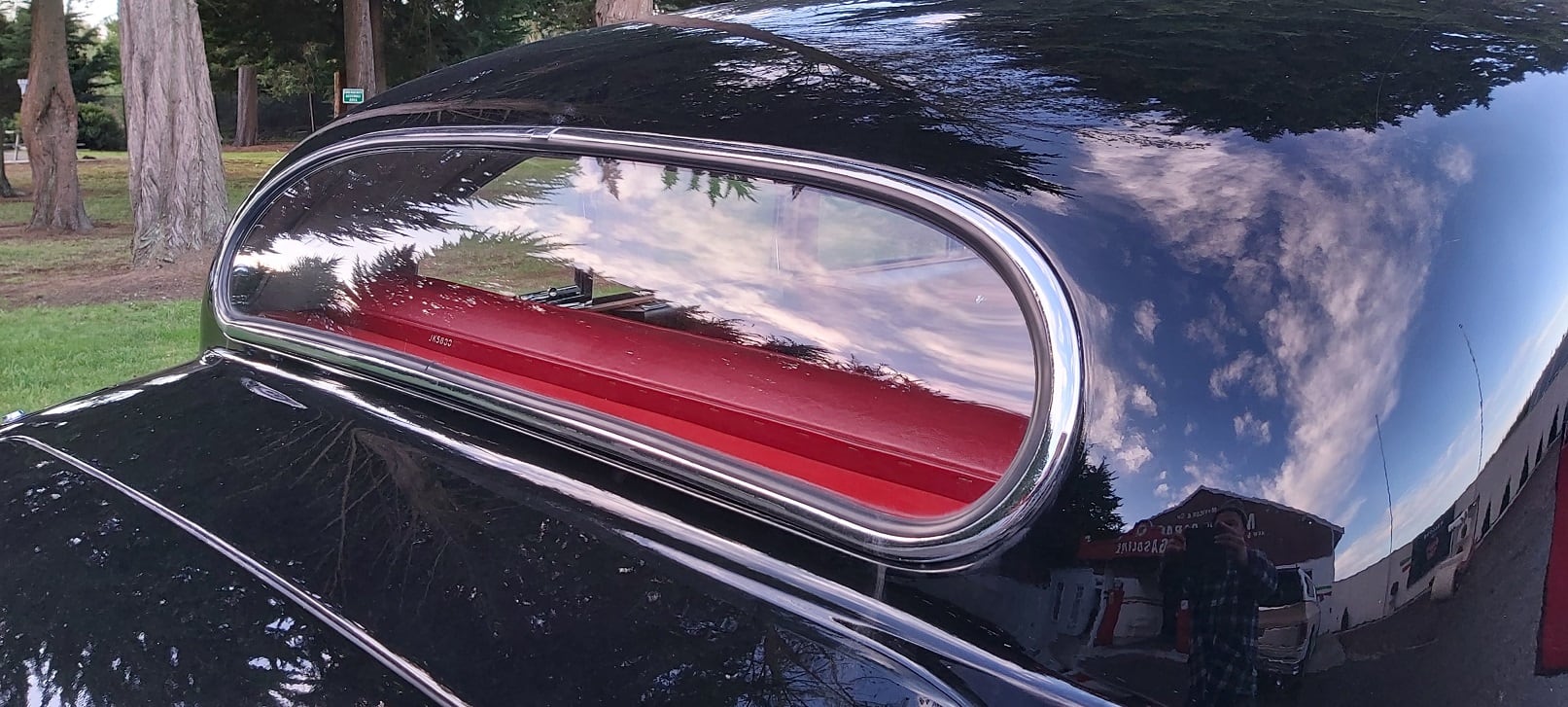
- Good paintwork with an attractive overall finish.
- Exterior chrome and traditional styling contribute to the car’s impressive road presence.
- A very presentable example of Jaguar’s early post-war luxury saloon.
Interior & Appointments
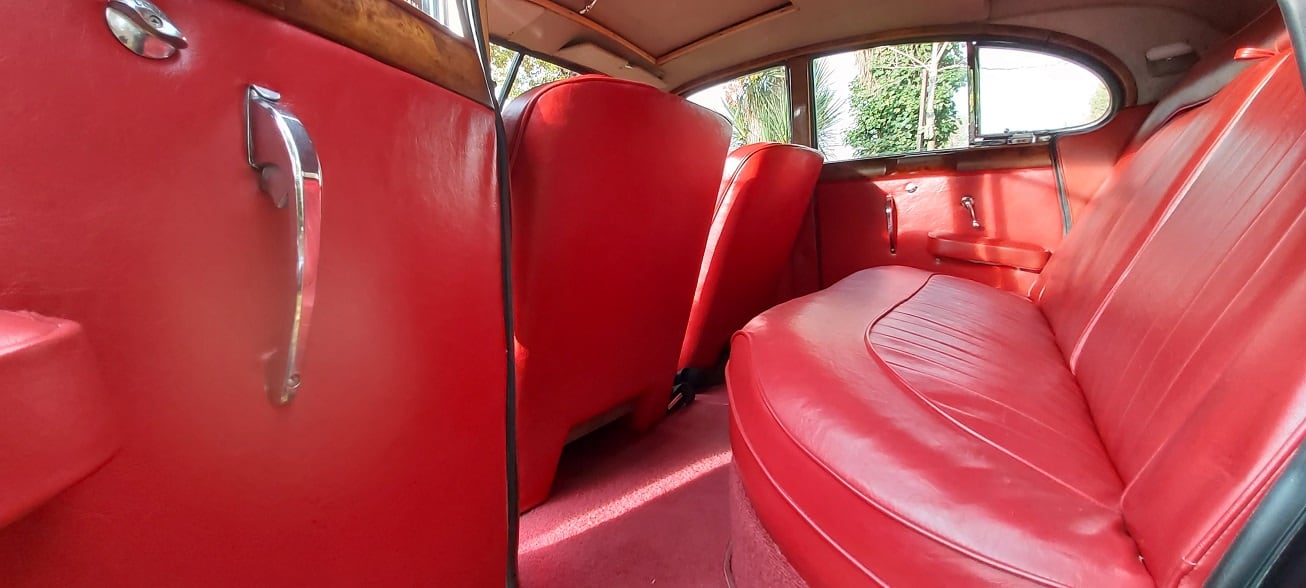
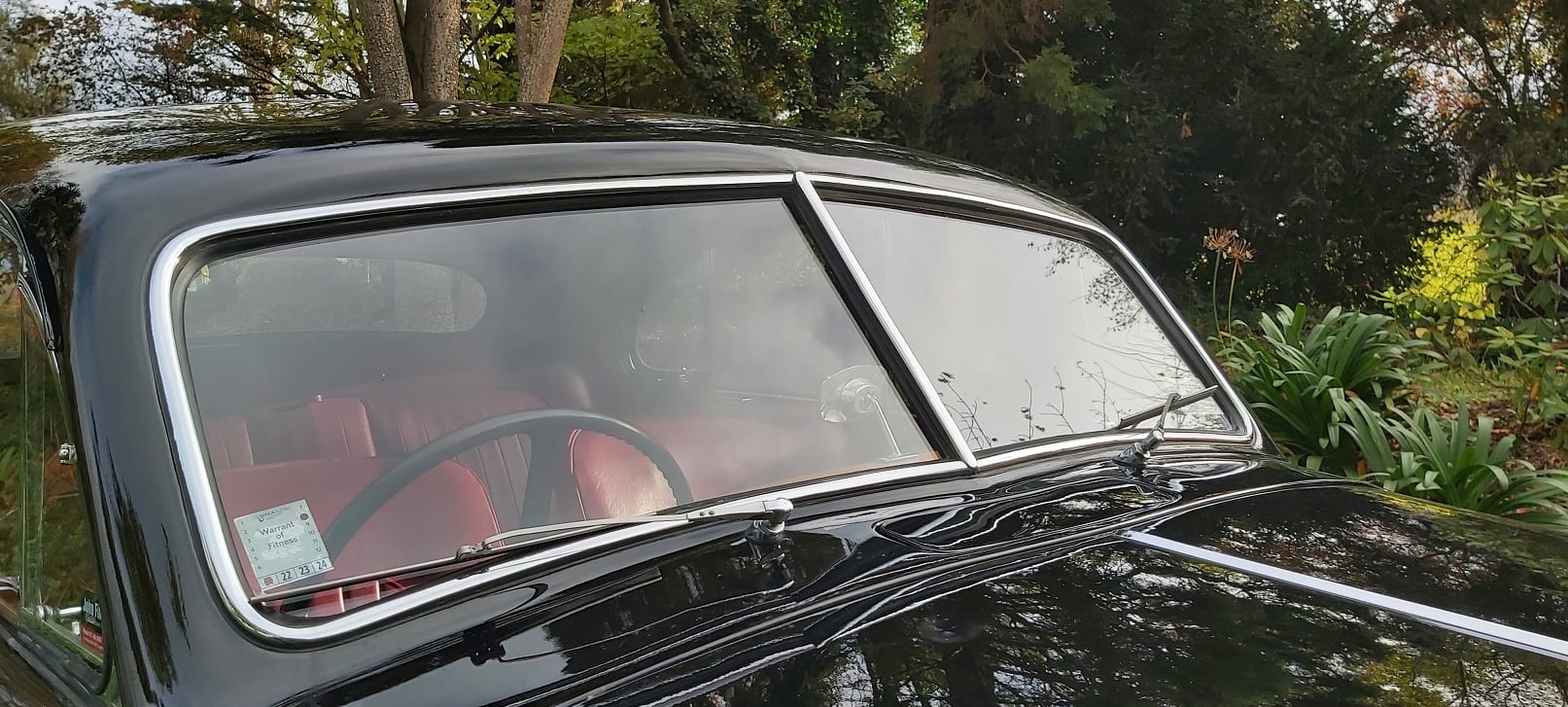
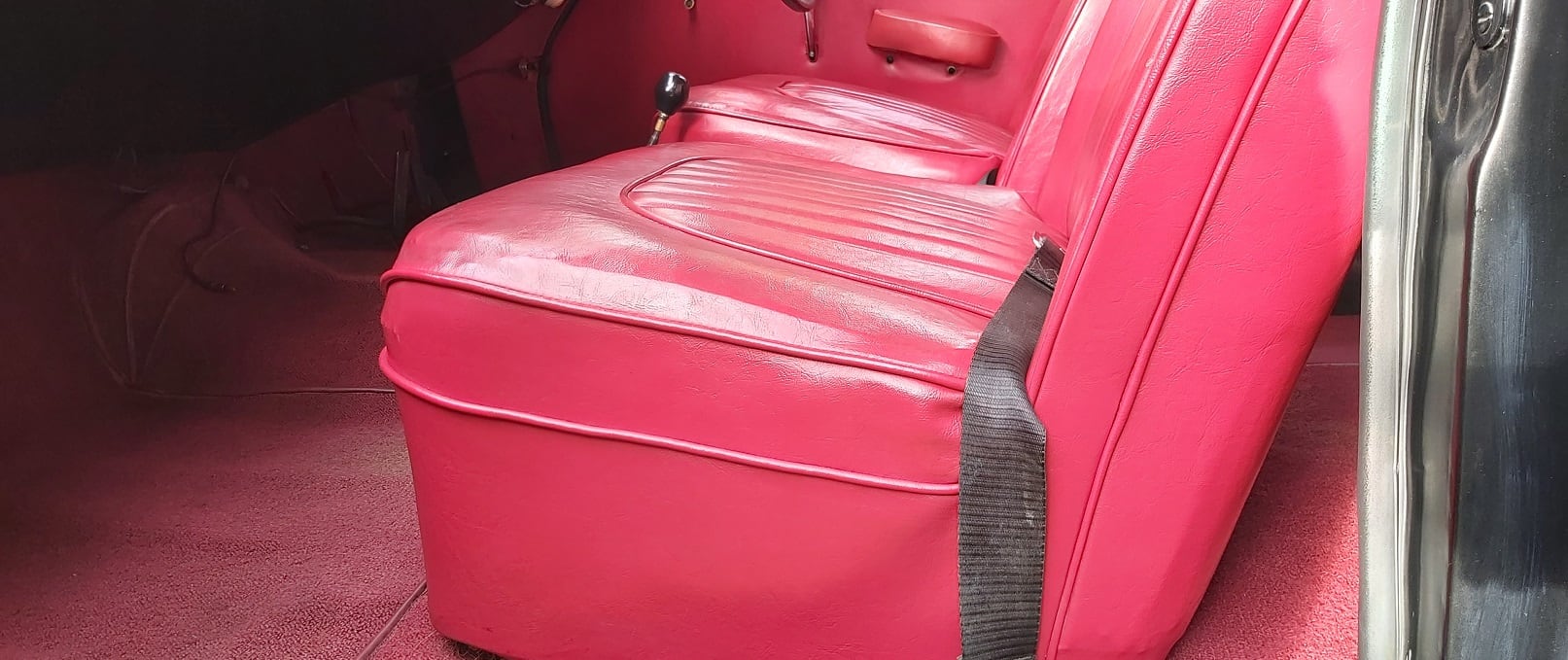
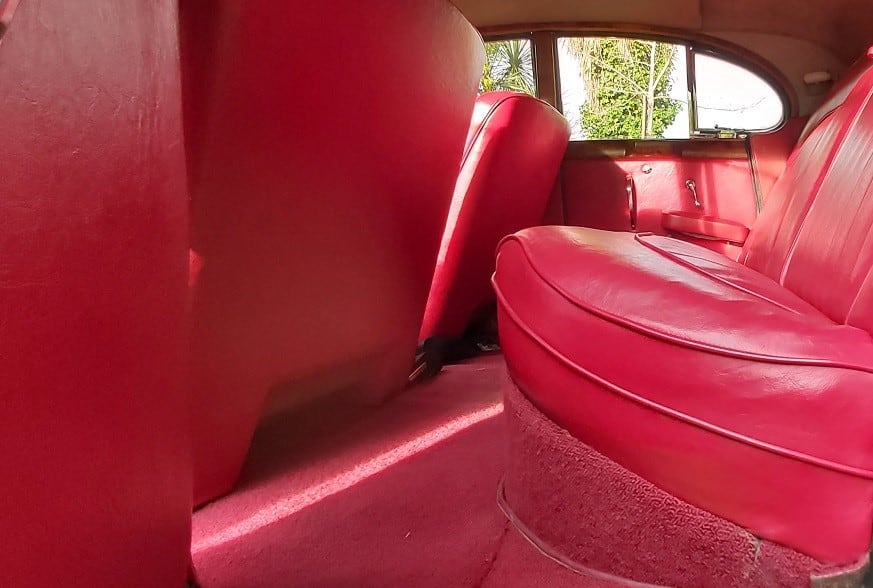
- Tidy vinyl upholstery, with the seats presenting in good order.
- Door cards in good condition.
- Carpets are tidy.
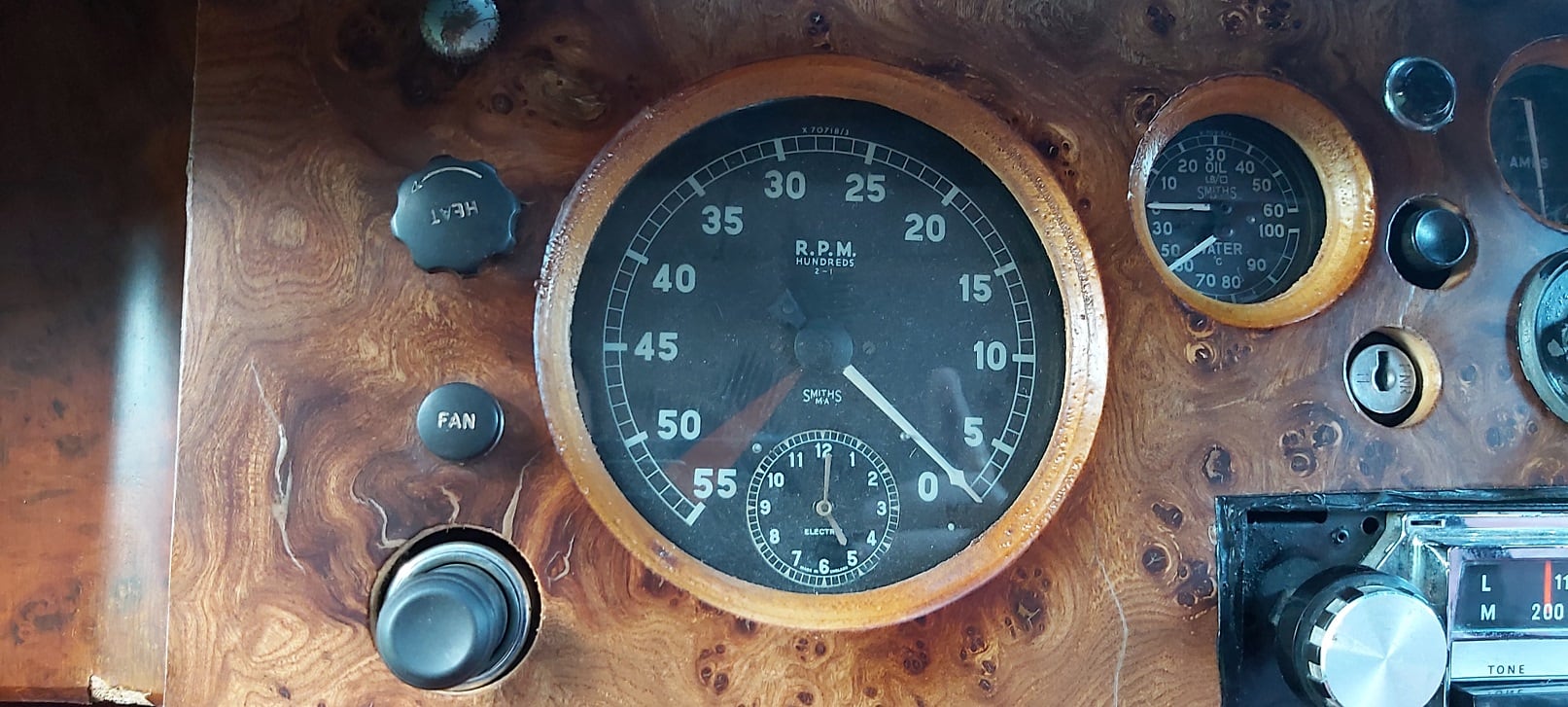
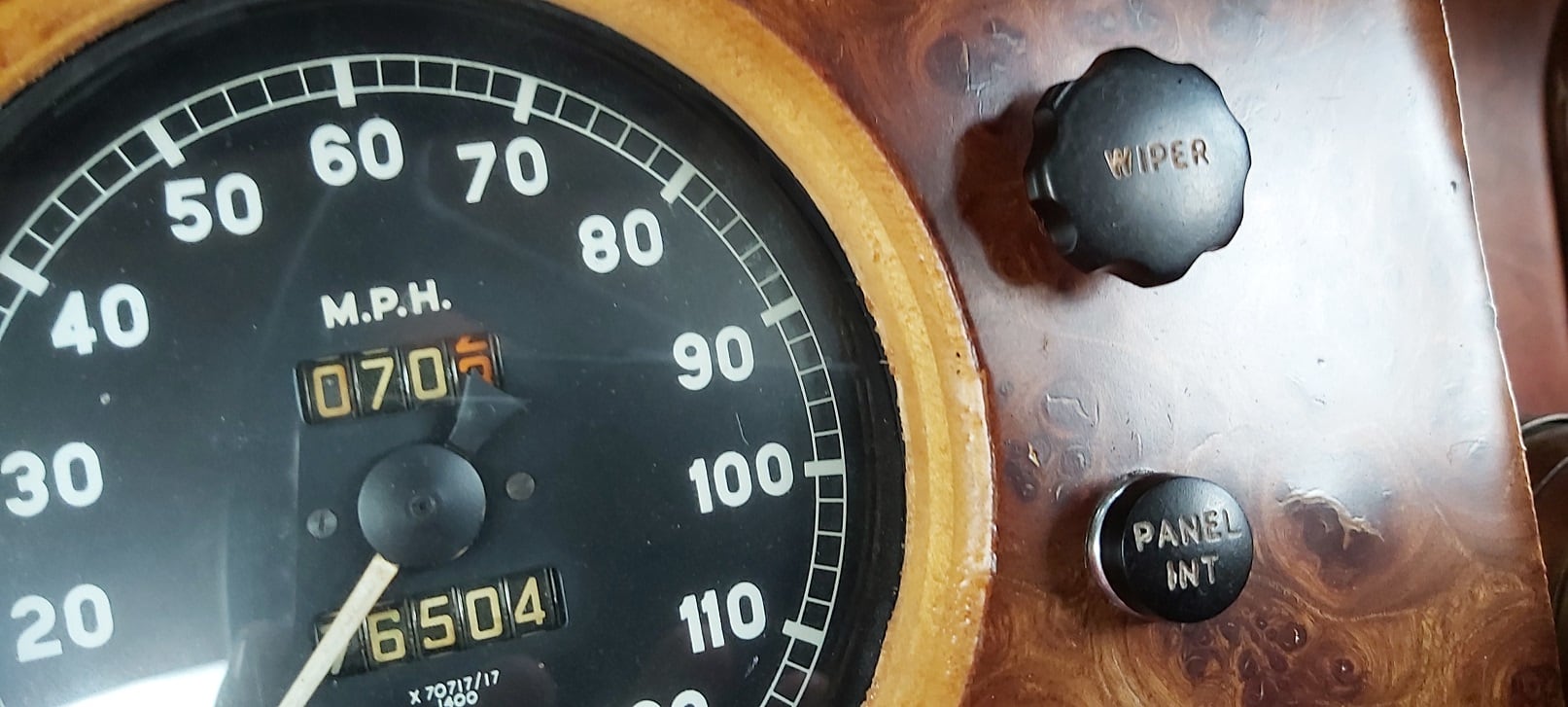
- Interior timber and woodwork present well.
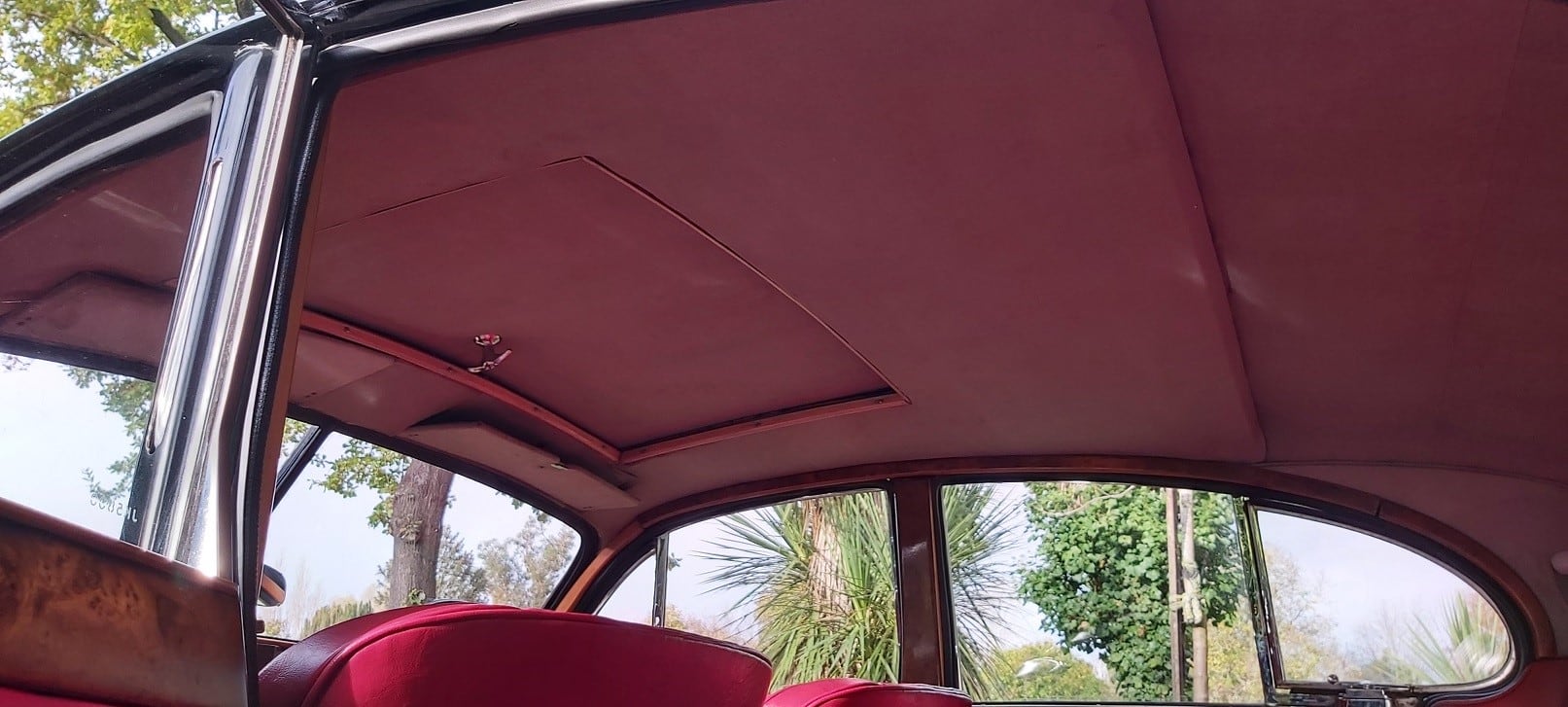
- Headlining in good order.
- Factory sliding sunroof.
Mechanical Condition & Documentation
- Extensive mechanical records dating back to 2010.
- Considerable mechanical work and maintenance undertaken over the years.
- A substantial history file documenting attention given to the vehicle.
- A well-sorted example that drives nicely.
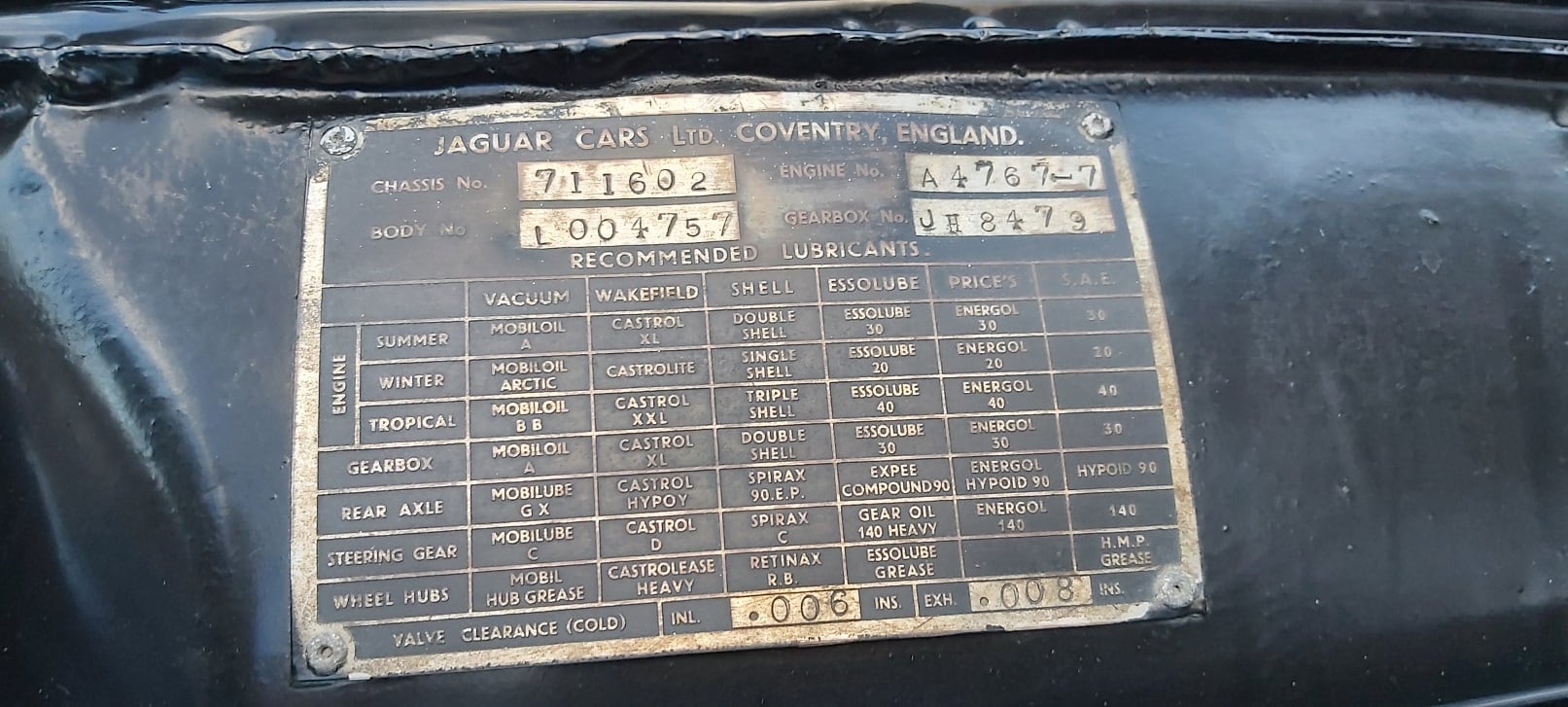
- Powered by Jaguar’s celebrated 3.4-litre twin-overhead-camshaft XK six-cylinder engine.
- Four-speed manual transmission.
- A comfortable, capable and surprisingly enjoyable motor car on the open road.
Original Equipment & Accessories
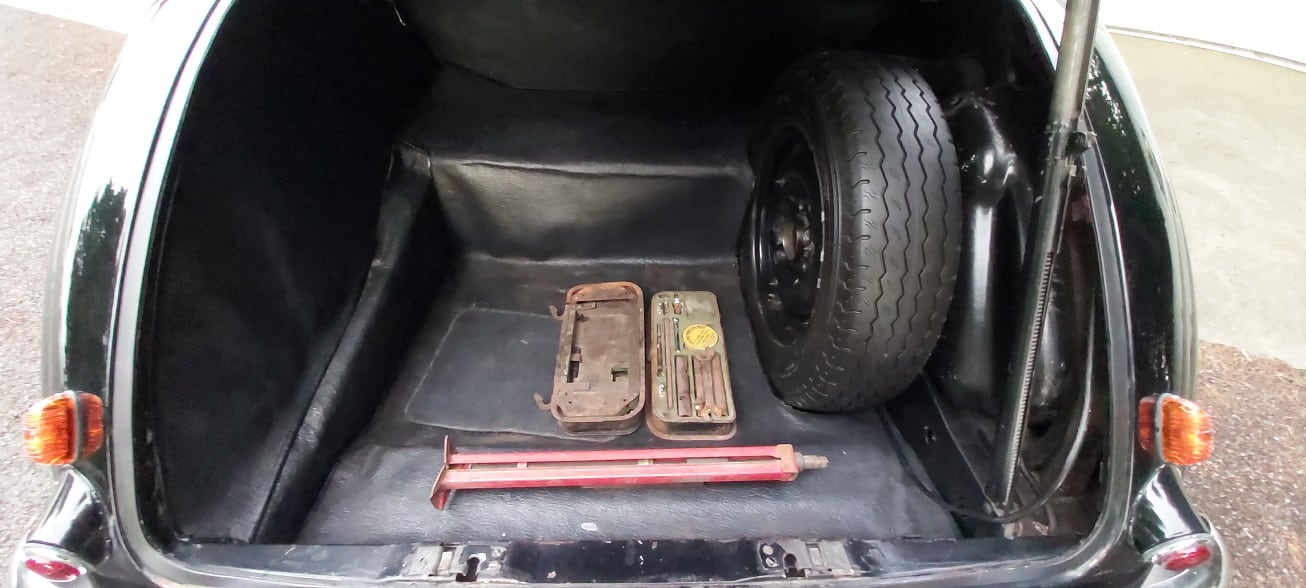
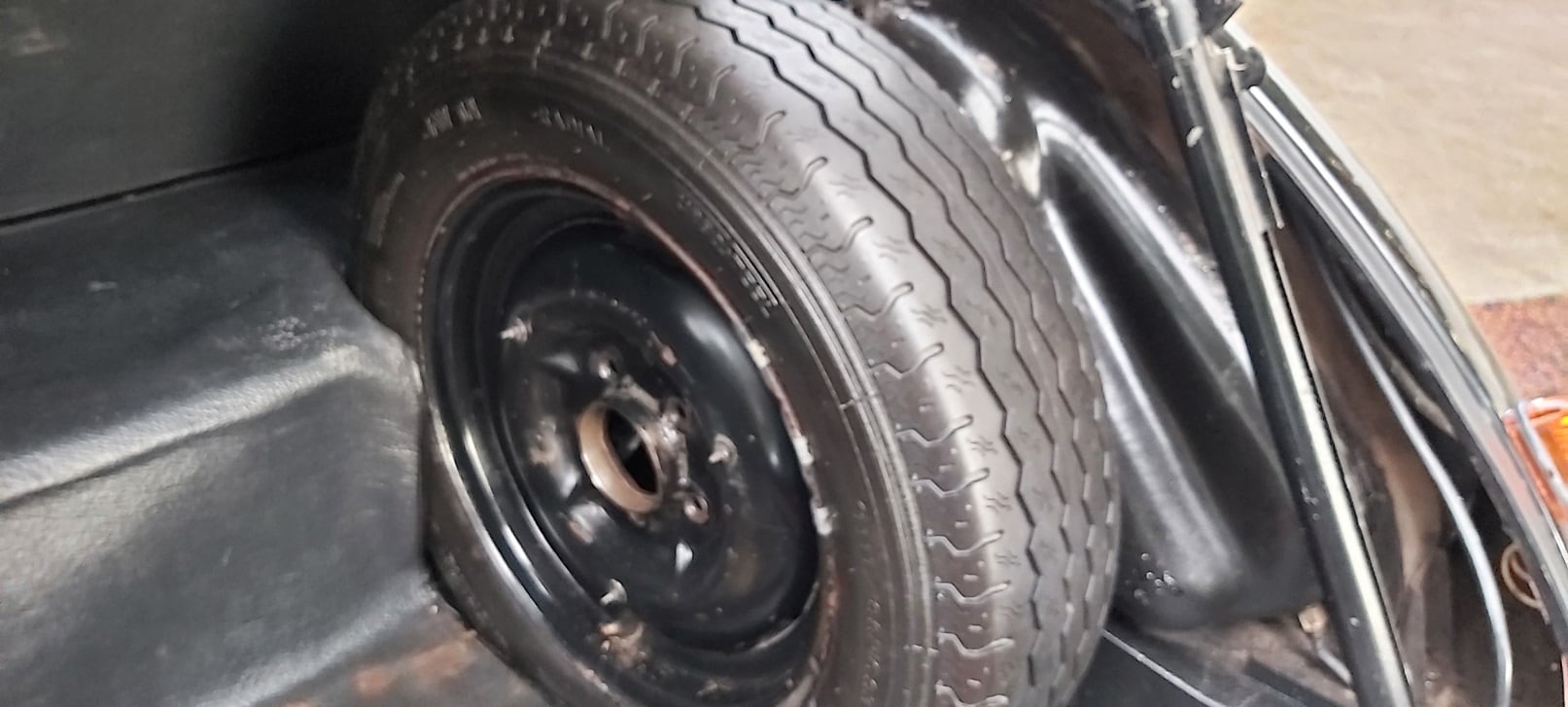
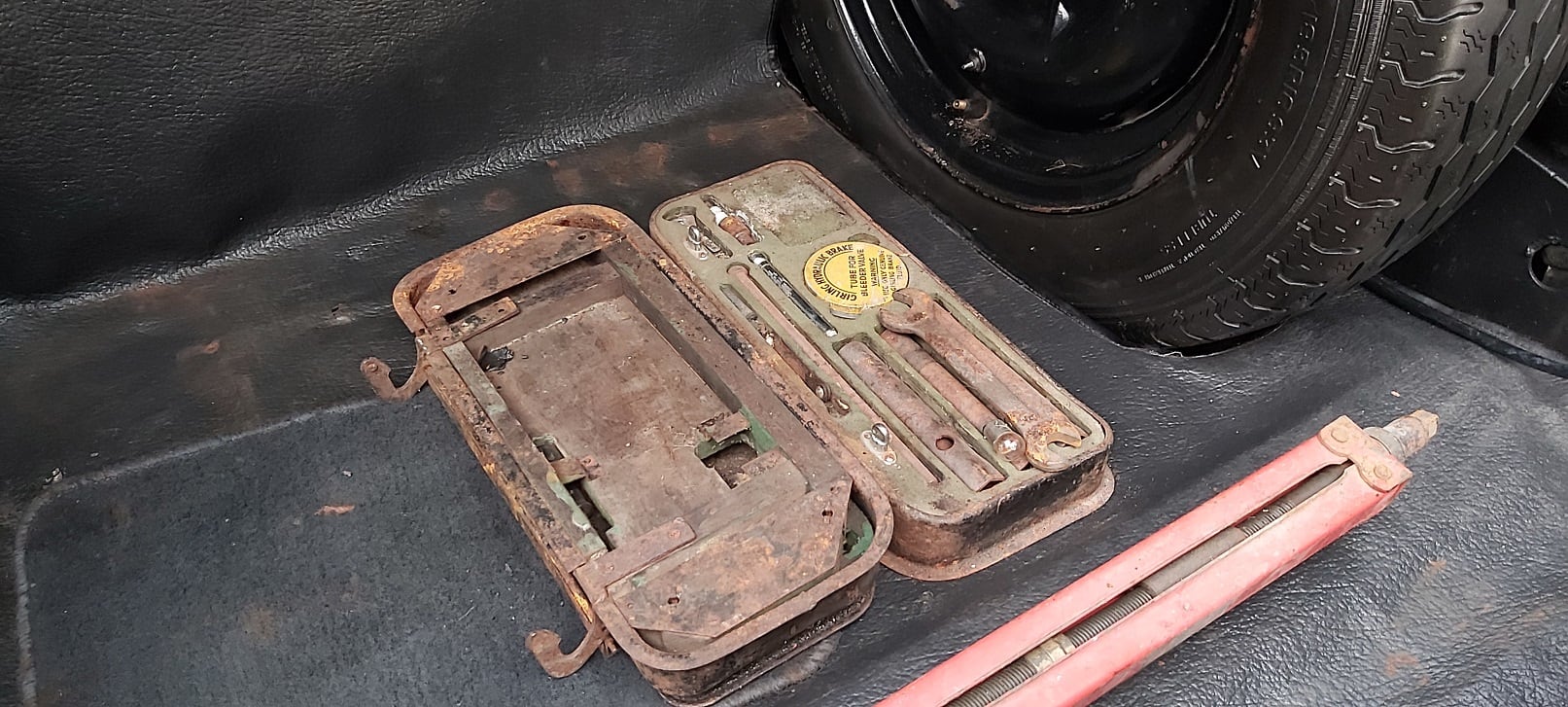
- Original Jaguar jack included.
- Original-style factory toolbox recently sourced for the vehicle.
- Toolbox requires some cosmetic tidying.
- Sliding sunroof adds to the appeal and period character of the car.
Ownership History
- Three long-term ownership periods identified in the available records.
- One owner retained the vehicle for approximately 22 years.
- Another ownership period extended to approximately 10 years.
- A further owner held the car for approximately 6 years.
- The available documentation provides a useful record of the car’s history and mechanical upkeep.
On the Road
One of the great pleasures of owning a Jaguar Mark VII is discovering just how enjoyable these substantial saloons are to drive. They are big, comfortable and beautifully mannered touring cars, yet the XK engine gives them a level of performance that can still be appreciated on today’s roads. There is a wonderful sense of occasion sitting behind that imposing bonnet, surrounded by polished timber and traditional Jaguar craftsmanship, with the smooth six-cylinder engine providing effortless progress.
These early Jaguars have a character quite different from the later Mark 2 and subsequent sporting saloons. They belong to an era when luxury, engineering excellence and long-distance touring ability were equally important. The Mark VII is sometimes misunderstood by those who have never experienced one, but spend some time behind the wheel and its appeal quickly becomes apparent.
Our Thoughts
We have always admired Jaguar’s early XK sports cars, but the more time we spend with the Mark VII, the more we appreciate just how special these big saloons really are. They seem to be encountered far less frequently than the familiar XK sports models, and their combination of rarity, elegance, historical significance and genuine usability makes them particularly interesting.
There is something wonderfully appealing about walking into the garage and seeing a Mark VII waiting there. Its sheer physical presence, beautiful proportions and unmistakable Jaguar styling are enough to bring a smile to your face. It is a motor car that represents an important chapter in British automotive history, yet remains entirely capable of being enjoyed rather than simply admired.
From a collector’s perspective, we believe these early Jaguar saloons remain underappreciated when compared with their sporting counterparts. As surviving examples become increasingly difficult to find, particularly those with sound bodywork, good presentation and extensive maintenance records, we see considerable merit in preserving and enjoying them. While future values can never be guaranteed, the Mark VII certainly possesses many of the qualities that make a classic motor car desirable over the longer term.
This is a very tidy, well-maintained and highly appealing example of the 1952 Jaguar Mark VII. With its extensive mechanical history, attractive presentation, long-term ownership record and wonderful period character, it represents an excellent opportunity to acquire one of Jaguar’s most significant early post-war saloons.
A beautiful old Jaguar, a genuine piece of motoring history and, above all, a motor car that we absolutely love.
Market Review
From a market perspective, the Mark VII continues to represent excellent value in the world of collectible British motor cars, although values vary considerably according to condition, originality and provenance. International market guides currently place good examples around £19,000, with excellent examples approaching £33,000 and exceptional cars commanding more.
Auction results demonstrate a considerable spread in values, reflecting the substantial difference between restoration projects and properly maintained, well-presented vehicles. Given the considerable expense associated with restoring these large, complex saloons, cars with sound bodywork, attractive interiors and comprehensive mechanical histories are particularly desirable.
While the market for early Jaguar saloons remains relatively specialised, their historical importance, distinctive styling and increasingly limited availability give them genuine long-term collector appeal. We believe the Mark VII remains one of the more undervalued Jaguars of its era, offering an opportunity to acquire a significant piece of the marque’s heritage without the considerable financial commitment associated with its XK sports car contemporaries.
Conditions of Sale
New Zealand Sales
Unless otherwise stated, vehicles sold for use in New Zealand will be supplied with a new Warrant of Fitness (WoF) and 12 months New Zealand registration at the time of sale.
Transport & Shipping
New Zealand transport and worldwide shipping can be arranged on the Buyer’s behalf and at the Buyer’s cost and risk. Any freight, shipping, insurance, customs charges, duties, taxes, import costs, certification or compliance costs are the responsibility of the Buyer unless otherwise agreed in writing.
Export Sales
For vehicles purchased for export, the Buyer is responsible for determining and satisfying all import, registration, certification, compliance, tax and regulatory requirements applicable in the destination country.
Viewing
All vehicle inspections and viewings are strictly by appointment only.
Applicable Law
All sales are subject to applicable New Zealand law. Nothing in these Conditions of Sale excludes or limits any statutory rights or obligations that cannot lawfully be excluded or limited.
Make an enquiry
For more information about this vehicle, please contact us Monday to Friday between 9:00am and 6:00pm (New Zealand Standard Time) on +64 (0) 3 310-6485. Alternatively, you may email us at [email protected] anytime, or contact us through the form below.
"*" indicates required fields
Disclaimer (Please Read)
The Purchaser is encouraged to personally fully inspect the vehicle and also to have the vehicle inspected, and fully assessed by an experienced, independent, specialist garage - before committing to purchase. While the Purchaser is entitled to rely on statements given by Waimak Group Ltd as being correct, where goods such as vehicles are concerned, with so many moving parts and rust being an issue with older vehicles; a Purchaser who chooses not to seek independent professional assistance when assessing the quality of what they propose to buy is considered as buying at their own risk, and if the vehicle then turns out to be of less than the represented quality, or not up to the Purchaser's expectation, or in the Purchaser opinion not fit for purpose; then the Purchaser is considered to have contributed to their own loss and should not expect any refunds or betterment from Waimak.
NOTIFICATION AS TO NATURE OF GOODS IN TERMS OF THE CONSUMER GUARANTEES ACT 1993
Waimak Group Ltd is a New Zealand registered company and accepts that the vehicle being sold must be of “acceptable quality” in terms of section 7 of the New Zealand Consumer Guarantees Act 1993 (the Act) having regard to “the nature of the goods”.
Waimak Group Ltd is not aware of any specific defects with the vehicle, however (a) such a vehicle being a classic vehicle may have mechanical breakdowns, electrical failures at inconvenient times and maintenance costs being part of and parcel of ownership of a classic vehicle; (b) reliability is a combination of the particular nature of the classic vehicle, how it is being driven, how it has been maintained, and to a certain extent luck; (c) because of the age of the vehicle, and its propensity to rust, it is likely that the vehicle would have been fully or partially restored, or at least repainted at some point in its life, maybe even more than once. Waimak Group Ltd does not know, and cannot give advice on how good any restoration work on the vehicle had been.
The Purchaser acknowledges that the vehicle is being sold as a classic car; that in terms of the Act and the nature of the goods, the vehicle is an old car, bike or boat, that may have visual and hidden faults, unlike a new motor vehicle.
The Purchaser is encouraged to personally fully inspect the vehicle and also to have the vehicle inspected, and fully assessed by an experienced, independent, specialist garage - before committing to purchase. While the Purchaser is entitled to rely on statements given by Waimak Group Ltd as being correct, where goods such as vehicles are concerned, with so many moving parts and rust being an issue with older vehicles; a Purchaser who chooses not to seek independent professional assistance when assessing the quality of what they propose to buy is considered as buying at their own risk, and if the vehicle then turns out to be of less than the represented quality, or not up to the Purchaser's expectation, or in the Purchaser opinion not fit for purpose; then the Purchaser is considered to have contributed to their own loss and should not expect any refunds or betterment from Waimak Group Ltd.
The Purchaser acknowledges that they have read and fully understand this notification and the nature of a car which is many years old.
We offer a wide range of services for our local and international clients, contact us to discuss your needs.
Contact us here